It's the question we get most often, usually in the second or third email, after the dates and before the hotels. Sometimes it comes from a parent whose daughter wants to go. Sometimes from a couple who've read one bad headline too many. So here's the straight version, from a company that has been moving guests around Rajasthan and North India since 2005.
Short answer: yes, India is safe for tourists who plan sensibly. It isn't risk-free, and anyone who tells you it is hasn't driven the Agra road at night. The risks are just different from the ones people tend to worry about.
What's the real risk in India?
Roads. Not crime, not kidnapping, not the stuff that goes viral. Indian highways mix trucks, tractors, cows, motorbikes carrying families of four and the odd camel cart, and lane discipline is more of a suggestion. That's the thing we plan around hardest.
Our rule is simple: no long drives after dark. If Jaipur to Agra takes five or six hours with a stop at Abhaneri, we leave in the morning, not after lunch. Drivers get proper rest. Modern cars have rear seatbelts. Use them, even though almost nobody in India does.
Second on the list is your stomach. Most guests who have a bad day in India have it because of food or water, not people. Drink sealed bottled water, skip ice in small places, and ease into street food rather than going all in on day one.
Is India safe for solo female travellers?
It's the question behind a lot of the first question, so we'll answer it directly. Plenty of women travel India alone and have a great time. Many also mention being stared at, and some mention unwanted comments or a hand where it shouldn't be in a crowd. Both things are true.
What we tell women travelling with us:
- Dress a little more covered than you would at home, especially in small towns and temples. Shoulders and knees covered makes a real difference to how much attention you get.
- Don't feel you have to be polite to someone who's bothering you. A loud, firm "no" works, and people nearby usually step in.
- Use the ladies' queue at monuments and stations. It's often shorter anyway.
- Don't share your hotel name or room number with friendly strangers.
- After dark, take a car your hotel or operator has arranged, not a random auto-rickshaw.
Having a private driver changes a lot here. You're never waiting on a roadside, and there's someone who knows where you are.
What scams should tourists watch for?
Scams in India are mostly about money, rarely about harm. The classics are still running, which tells you they still work.
The "office is closed" trick in Delhi. Someone near New Delhi railway station tells you the booking office has moved or your hotel has a problem, then walks you to a "government tourist office" that isn't one. The real foreign tourist booking office is inside the station. Nobody official approaches you on the street.
Gems in Jaipur. A friendly young man suggests you carry stones home and sell them for a big profit. Honestly, this one has cost people thousands. Buy gems only because you like them, never as an investment.
Commission shopping. A rickshaw ride for ₹20 that ends at a carpet showroom. Annoying, not dangerous. Just say you're not buying and leave.
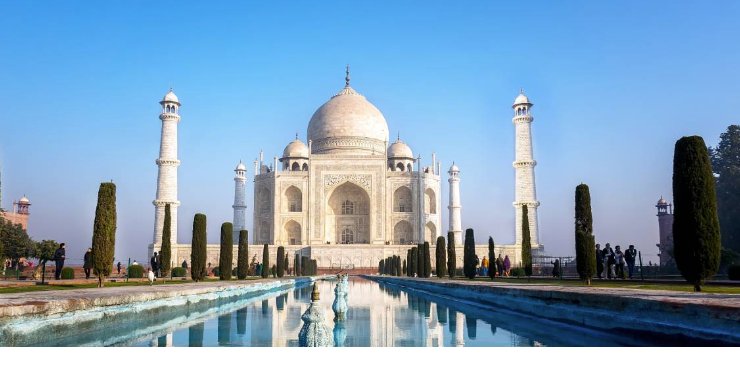
Unofficial guides at monuments. At the Taj Mahal and Amber Fort, men with lanyards offer "guide" services. Licensed guides exist and are good, but agree the price first, or book one ahead. We arrange approved guides for our guests so this never comes up.
Are Indian cities safe at night?
Mostly, in the areas visitors actually go. Old Jaipur's bazaars are busy until 9 or 10pm and feel fine. The ghats in Varanasi at evening aarti are packed and crowded, so watch your pocket, but they aren't threatening. Where it gets thin is late at night in empty streets, which is true of most cities anywhere.
We don't recommend wandering unfamiliar lanes after 10pm, and we'd say the same about Naples or Marseille. If you want a late dinner, have the driver wait or take a hotel car back.
What about health and hospitals?
Private hospitals in Delhi, Jaipur, Udaipur and other cities on the usual tourist routes are good, and many doctors speak English. Smaller towns have clinics that are fine for a stomach bug but not for anything serious, which is why you want travel insurance that covers medical evacuation.
For vaccinations and malaria advice, see a doctor or travel clinic about six to eight weeks before you fly. It depends on your route and history, and it isn't something a tour operator should decide for you. Pack a basic kit anyway: rehydration salts, whatever your doctor suggests for stomach trouble, plasters, sunscreen. Our India packing list covers the rest.
Numbers worth saving before you land
- 112: India's single emergency number for police, ambulance and fire, working across all states.
- 1800-11-1363 (or short code 1363): the Ministry of Tourism's free, 24-hour tourist helpline, which runs in English, Hindi and several foreign languages.
- Your embassy's emergency line in Delhi.
- Your driver's and your operator's local numbers, saved before day one, not hunted for when something goes wrong.
How we make a trip safer, without making it dull
A lot of what makes India feel risky is uncertainty: which taxi, which gate, which price. Remove that and most of the stress goes. That's really the job of a local operator.
Our guests travel with one driver for the whole trip, usually in an Etios for couples or an Innova Crysta for families. The driver knows the hotels, the parking, the dhabas with clean toilets. Hotels are ones we know well. Drive days are planned to finish before dusk. And someone in the Jaipur office is reachable for the whole trip.
If you're nervous about a first visit, the Golden Triangle tours are the gentlest start: short drives, well-trodden sites, good hotels. Our 7-day Golden Triangle itinerary shows how the days actually run.
Quick answers
Is India safe for tourists right now?
For the main tourist regions, yes. Check your own government's travel advice before booking, since it flags specific border areas and any temporary issues. Rajasthan, Agra, Varanasi and Kerala are routine for visitors.
Is tap water safe to drink in India?
No. Stick to sealed bottled or properly filtered water, and use it to brush your teeth too if your stomach is sensitive.
Is it safe to take trains in India?
Yes, in the air-conditioned classes. Keep bags locked and close to you on overnight trains, and keep your phone off the window ledge at stations.
Should I carry my passport with me?
Carry a photocopy and a photo on your phone day to day. You'll need the original at hotel check-in, for some SIM purchases and at the Taj Mahal ticket counter, so keep it with you on those days.
If you'd like a trip where the logistics and the worrying are handled by people who live here, tell us your dates and who's travelling through our enquiry form. We'll come back with a route that fits your pace, and we're happy to answer the awkward safety questions by email first.