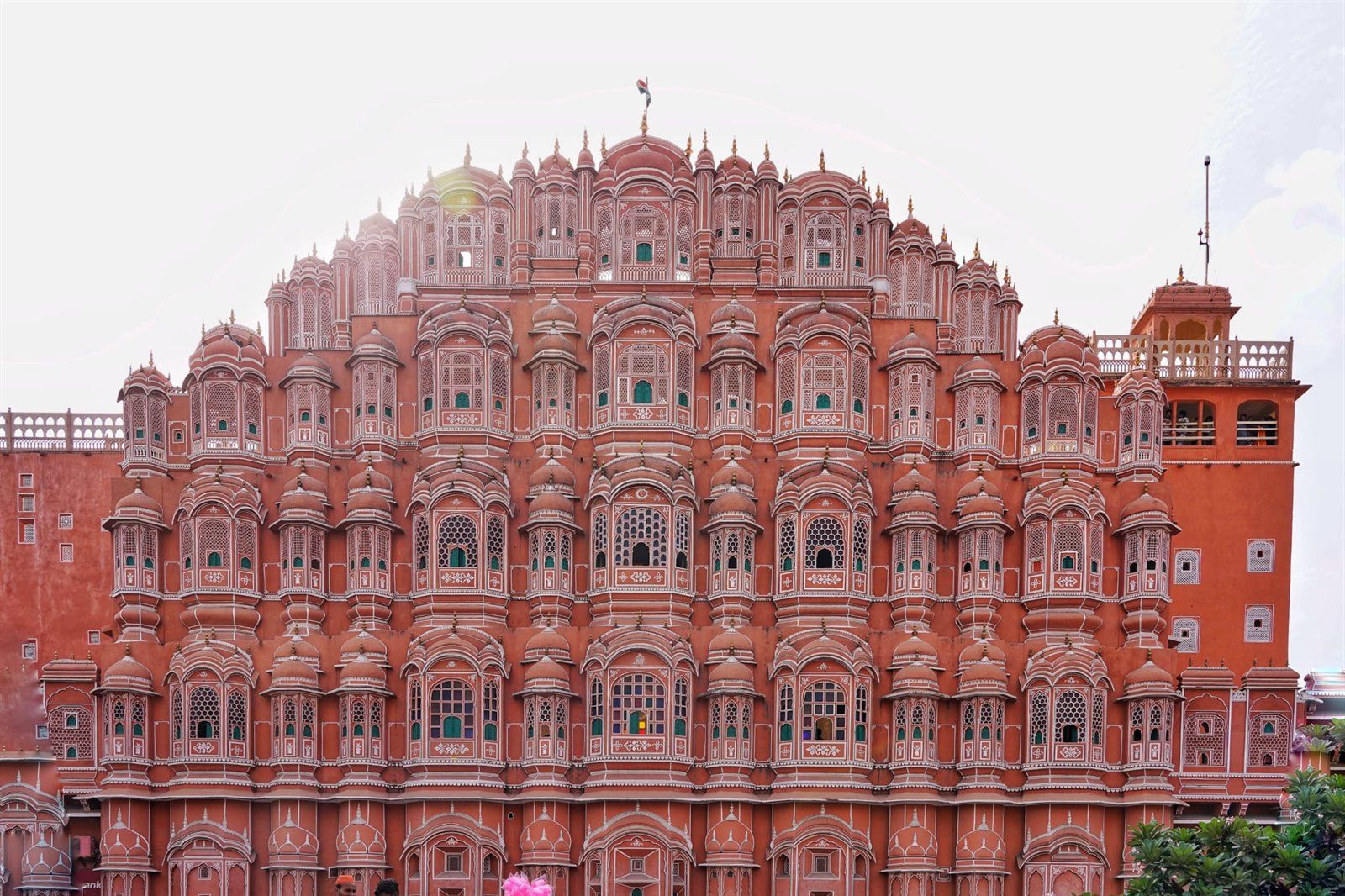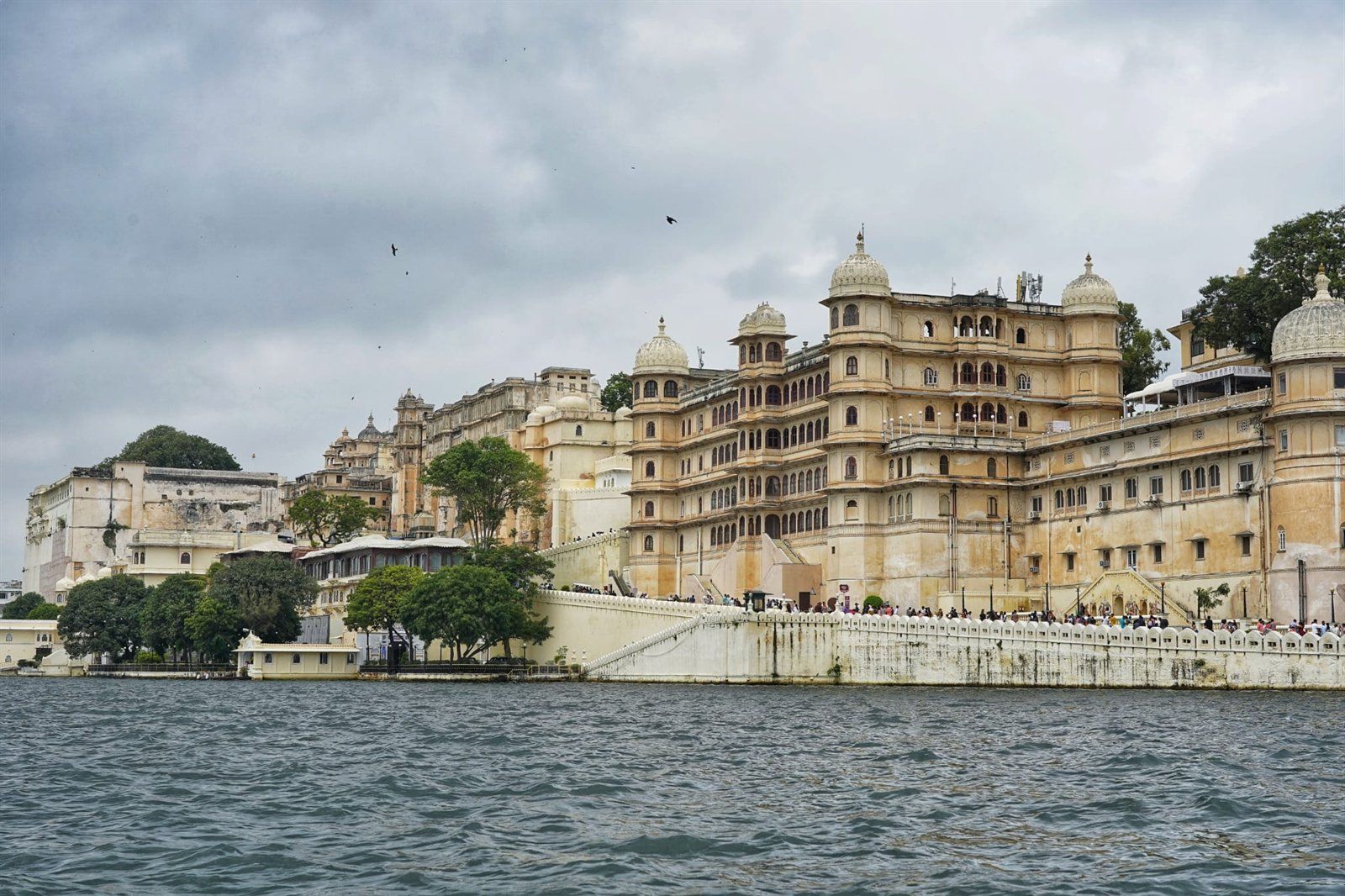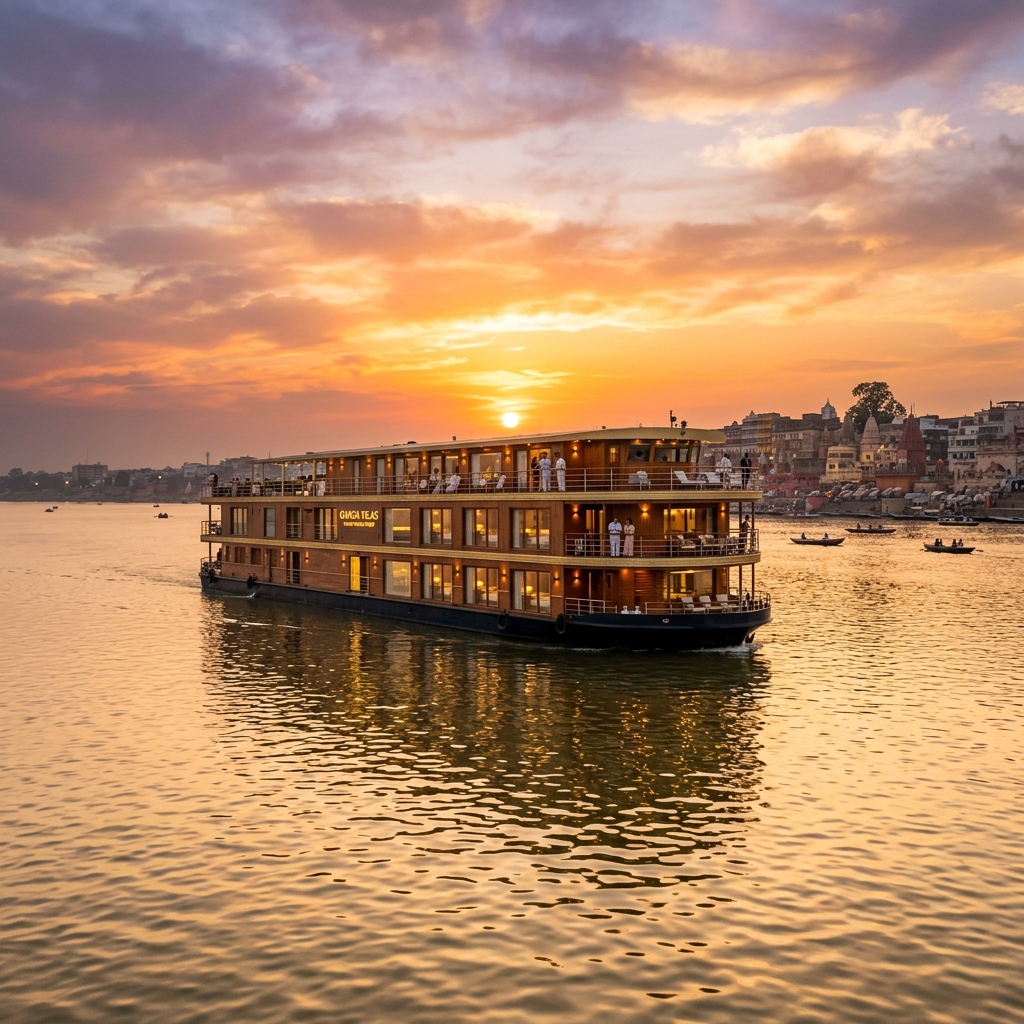
A good Gujarat tour itinerary is the natural next step after Rajasthan, or a trip in its own right. The state has four UNESCO World Heritage Sites, a salt desert that turns white each winter, and the best living textile villages in India, yet it sees a fraction of the foreign visitors that Jaipur or Agra do. We plan Gujarat from our Jaipur office, and the route below is nine days, Ahmedabad to Kutch and back, built around craft rather than monuments.
It is based on our Gujarat Textile and Handicraft tour, and the distances and drive times come straight from that tour sheet. Where we would change something, we say so.
Before you book: what shapes a Gujarat itinerary
Three things decide how a trip here works.
Season. The Great Rann of Kutch is only white once the monsoon water has dried off the salt crust, which is why the official Rann Utsav tent city at Dhordo runs from 1 November 2026 to 7 March 2027 this season. The full-moon dates published for it are 23–25 November, 22–24 December, 21–23 January and 19–21 February. If you can, build the trip around one of those; the salt under a full moon is the image everyone comes for. From April the heat in Kutch is hard work, and we would not send first-time visitors then.
Distance. Kutch is far from everything. Ahmedabad to Bhuj is 380 km, which our tour sheet puts at seven hours. There is no way to make that shorter by road, so the itinerary is designed so that you only do the long drive once in each direction and spend the days in between on short hops from a base.
Getting there. Air India flies non-stop between London and Ahmedabad, though only a few days a week, so check the current schedule. From New York, Sydney or most of Europe you will connect through Delhi, Mumbai or a Gulf hub. India is five and a half hours ahead of the UK in winter (four and a half during British Summer Time). Most nationalities use the e-Visa; our India visa guide for US, UK and EU travellers covers the application step by step.
The 9-day Gujarat tour itinerary, day by day
Day 1 — Arrive in Ahmedabad
Our representative meets you at the airport and briefs you at the hotel. Take lunch slowly, then spend the afternoon at the Shreyas Museum, founded in 1974 with costumes, ceremonial objects and instruments from across India. In the evening, head to Manek Chowk for street food. Eat there, and eat widely. Gujarati food is almost entirely vegetarian, and this is the easiest place to try a lot of it at once.
Day 2 — Calico Museum and a day trip to Patan (150 km each way, about 3 hours)
The Calico Museum of Textiles opens by prior appointment only, which is one reason to travel with someone who can book it for you. Its collection is the best introduction you will get to everything you are about to see in Kutch. Then the drive north to Patan, home of patola silk weaving (a single sari takes four to six months on the loom), and to Rani ki Vav, the Queen's stepwell. It was built in the eleventh century in memory of King Bhima I and became a UNESCO World Heritage Site in 2014. Seven levels of carved panels, going down rather than up.
The honest downside: this is a return trip, so you are in the car for around six hours in total. If you have a spare night, we would suggest staying in Patan or pushing on towards Kutch rather than returning to Ahmedabad.
Day 3 — Ahmedabad to Bhuj via Ajrakhpur (380 km, about 7 hours)
Leave early. The long day is broken at Ajrakhpur, where Khatri families who came from Sindh still hand-print ajrakh cloth, usually in blue with red. By the time you reach Bhuj it will be late afternoon; the old bazaar is at its best just before dark.
This is the day a good driver earns their keep. As David and Carolyn Lamper from Manchester wrote after thirteen nights with us: "He was so much more than a driver—he was our "fixer," our link to excellent local English-speaking guides, and the person who found us the best authentic lunches, from traditional thalis to the most delicious street-side samosas and sweets." That trip was in Rajasthan, but the job is the same on the Kutch highway. Our page on how a private car with driver works in India explains what is included and what is not.
Day 4 — Mandvi, mashru weaving and Vijay Vilas Palace
Mandvi, on the coast, is the centre of mashru, a cotton-and-silk weave originally made so that silk would not touch the skin. Watching it on a handloom takes an hour; talking to the weavers takes longer. Nearby you will see block printing, and in the late afternoon Vijay Vilas Palace, built from 1920 as a summer residence for the Kutch royal family. Back to Bhuj for the night.
Day 5 — Bhuj to Nakhatrana (50 km, about 1 hour)
A short drive and a slow day. Nakhatrana is known for lacquer work on wood and for rogan, a style of painting on cloth that goes back three to four centuries. Buy directly from the makers if something catches your eye; that is the whole point of coming.
Day 6 — Sumrasar weavers, then Hodko and the white Rann (130 km)
Morning at Sumrasar, where shawl and stole weaving passes from father to son, then on to Hodko near the edge of the Rann. You need a permit to enter the White Rann; foreign visitors show a passport and visa. It can be booked online in advance, which saves queuing at the Bhirandiyara checkpost. Go out for sunset. The flat is so wide and so bright that it is disorienting in the best way.
Day 7 — Khavda crafts (around 130 km round trip)
Khavda is known for clay work, leather craft and embroidery, and a day here moves between small village workshops rather than a single "sight". We would suggest keeping this day unhurried: you are watching people at work in their own homes, not at a demonstration counter.
Day 8 — Back to Ahmedabad (about 425 km)
The longest day of the trip. The tour sheet is optimistic about timing here; on Indian highways we plan for eight hours or more with stops. The reward is an evening with a local family in Ahmedabad, which, if you have spent a week in villages, puts the city in a different light.
Day 9 — Old city heritage walk, fly home
At 7.45 am the Municipal Corporation's heritage walk sets off through the pols, the gated neighbourhoods of carved wooden houses that earned Ahmedabad's historic city UNESCO World Heritage status in 2017. Afterwards there is time to check out and reach the airport. See our Ahmedabad destination page for what else to fit in if your flight is late.
What we would change, and what we would not
We would not cut Kutch to save time. Trying to fit Ahmedabad, the Rann and Gir National Park into five days does not work: the drives alone eat three of those days. If lions matter more than textiles, take the southern route instead and read up on Gir, the last home of the Asiatic lion.
We would suggest adding a night if you can. Nine days is comfortable, ten lets you split the Hodko–Ahmedabad drive or stay near Patan.
One practical thing worth knowing before you go: Gujarat has been a dry state since 1960. Foreign tourists can apply for a temporary liquor permit and buy from a limited number of licensed hotels, most of them in the cities. Plan accordingly, or treat it as a week off.
Many people pair this route with Rajasthan, since Udaipur is the natural link between the two states. Our Gujarat tours include a Gandhi trail, a Navratri trip and a kite-festival week, and the Gujarat destination guide covers Dwarka, Junagadh and the rest of Saurashtra. For the Rajasthan half, our field-tested 15-day Rajasthan itinerary is a good starting point.
Who plans it
India Karni has run its head office in Jaipur since 2005 and operates across Rajasthan, South India, Gujarat and the Indian islands. You can read what past guests say on our guest reviews page, where we are rated 4.8 from 303 reviews on TripAdvisor and Google, and see the fleet on our car hire with driver page.
Gujarat tour FAQ
When is the best time for a Gujarat tour?
November to February. The Rann is white, the temperatures are comfortable, and the Rann Utsav tent city at Dhordo is open (1 November 2026 to 7 March 2027 this season).
How many days do I need for Gujarat?
Nine days for Ahmedabad and Kutch at a relaxed pace. Add three or four days if you also want Gir and the Saurashtra coast.
Is Gujarat suitable for a first India trip?
It can be, especially for travellers interested in crafts and textiles, but the distances are long and the big sights are spread out. A private driver and local guides make a real difference.
Do I need a permit for the Rann of Kutch?
Yes. Everyone entering the White Rann needs a permit; foreign visitors show their passport and visa. It can be obtained online in advance or at the Bhirandiyara checkpost on the way.
If this route appeals, send us your dates and interests and we will shape a Gujarat itinerary around them.