We've been meeting first-time visitors off planes since 2005. Most trips go well. The ones that wobble tend to wobble for the same handful of reasons, and nearly all of them are avoidable.
This is the list we'd run through with you over tea before you fly. Some of it is obvious. Some of it we only learned by watching guests get it wrong.
1. Cramming too many cities into two weeks
The classic. Delhi, Agra, Jaipur, Jodhpur, Udaipur, Jaisalmer and Varanasi in 12 days looks fine on a map. On the ground it means a different bed nearly every night and five to seven hours in the car most days.
Our rule of thumb: two nights minimum in each main stop, three in Jaipur or Udaipur. If something has to go, drop a city, not a rest day. Our Rajasthan tours are built around that pace.
2. Arriving in the wrong month
Rajasthan in May regularly goes past 40°C. Kerala in June is under monsoon rain. Neither is impossible, but neither is what most first-timers picture. October to March is the comfortable window for the north, with the caveat that late December and January can bring thick morning fog around Delhi and Agra. Our best time to visit Rajasthan guide goes month by month.
3. Using the wrong visa website
Apply for the e-Visa only on the official Government of India portal. Lookalike sites often rank first in search results, charge far more and sometimes deliver nothing. Apply well ahead, check that the passport number matches exactly, and carry a printout. Airline check-in staff do sometimes ask for it.
4. Believing "the monument is closed today"
A friendly stranger tells you the fort is shut, your hotel has moved, or a government emporium has a special sale that ends at five. Smile and keep walking. The Taj Mahal really is closed to sightseers on Fridays, which is exactly why the story works on the other six days. Check with your guide, driver or hotel.
5. Drinking the wrong water, eating the wrong salad
Tap water isn't for drinking, anywhere. Sealed bottled water or the filtered water your hotel provides is fine. Ice in good hotels and restaurants is usually safe; ice from a roadside juice cart is a gamble.
We don't tell guests to avoid street food. We tell them to eat where it's busy, freshly cooked and served hot, and to go easy for the first three or four days. Raw salads and cut fruit that's been sitting out cause most of the trouble we see.
6. Packing for the beach
Shorts and strappy tops are fine at the hotel pool. In temples, mosques and old-city lanes they'll draw stares, and at some sites you'll be turned away. Bring light long trousers or a long skirt, a scarf for your shoulders, and shoes you can slip off twenty times a day. The marble floors get hot by noon, so socks help.
7. Carrying only cards
Cards work in hotels, larger restaurants and most proper shops. They don't work at dhabas, with rickshaw drivers, at temple shoe stands or for tips. Most Indians pay with UPI on their phones, and that still isn't straightforward for foreign visitors. Keep a few thousand rupees in small notes. Handing over a 500 for a 20-rupee chai gets you a sigh and a long search for change.
8. Underestimating drive times
Map apps assume empty roads. Indian highways have trucks, tractors, toll plazas, village speed breakers and the occasional camel cart. Add at least a quarter to any estimate and don't plan intercity drives after dark. It's one of the reasons we steer people towards a private car with driver rather than self-drive, and you can see the vehicles we use before you decide.
9. Saying yes to every shop
Gem dealers, carpet "cooperatives" and textile showrooms will happily fill an afternoon. If you want to shop, great, tell your guide what you're after. If you don't, say so on day one. A clear "no shopping, please" is respected.
10. Photographing people without asking
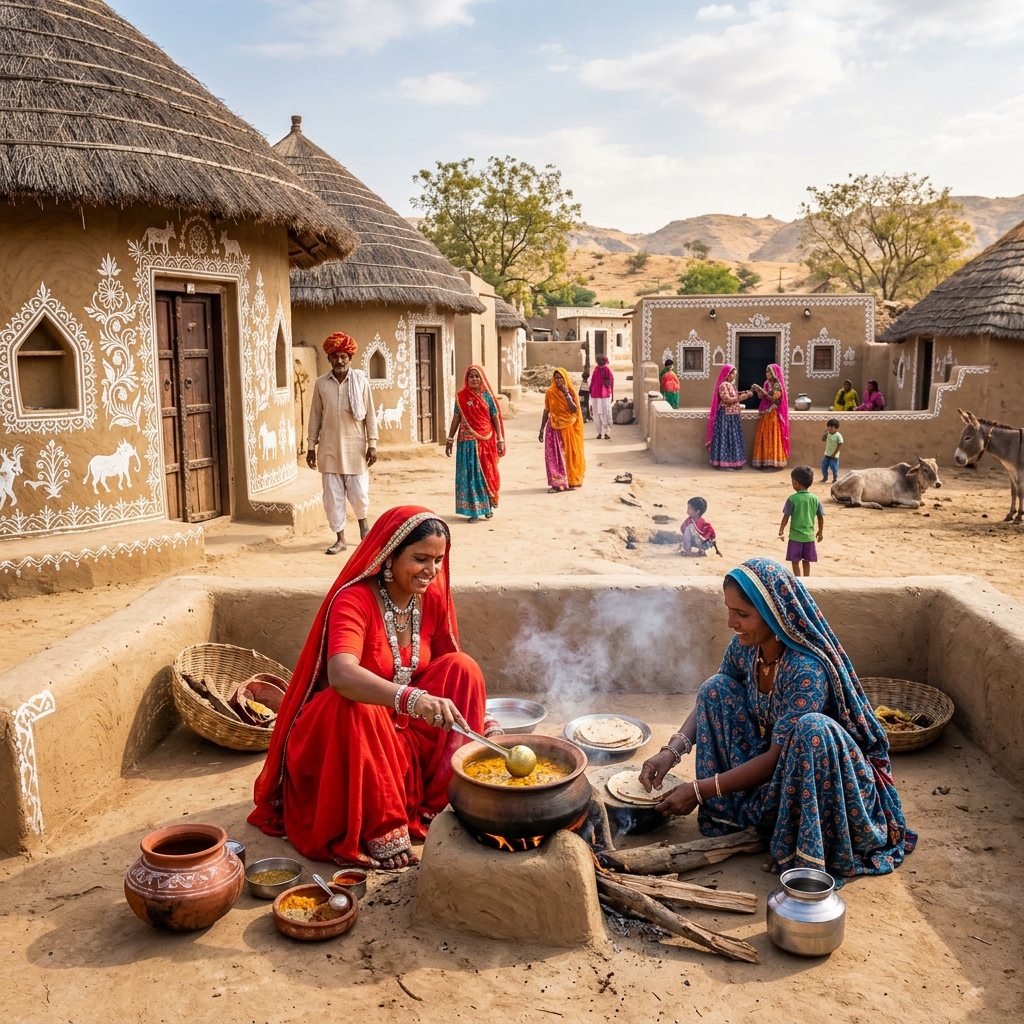
Most people don't mind, and plenty will ask for a selfie with you. But the painted sadhu posing by the lake may expect a tip, and village women often prefer not to be photographed. Ask first, even with a gesture. Some temples ban photography inside, and a few monuments charge a separate video fee.
11. Expecting everything to run to the minute
Trains run late. A wedding procession blocks the road for forty minutes. Leave slack in the plan, and never book a tight onward flight on the same day as a long drive. The guests who enjoy India most are usually the ones who stopped checking their watch by day three.
12. Skipping the ordinary places
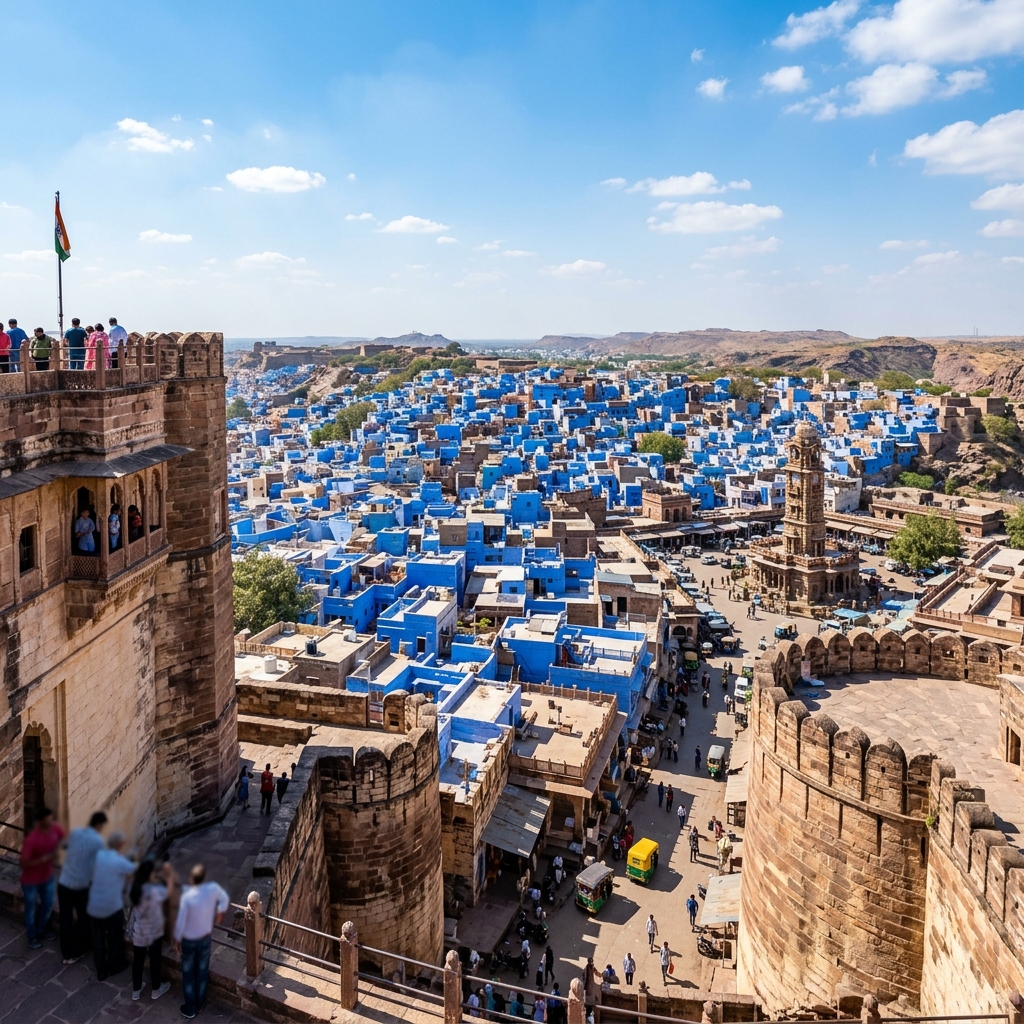
Amber Fort in Jaipur is worth the crowds. So is an early walk through a vegetable market, a stepwell nobody at home has heard of, or an hour in a village where the only other visitors are goats. Leave some room for that.
Quick answers
What's the biggest mistake first-time visitors make in India?
Trying to see too much. Fewer places and more nights means you go home less tired and with better memories.
Is it rude to refuse tea in a shop?
Not at all. A smile and "thank you, maybe later" is fine. And accepting a chai doesn't oblige you to buy anything.
Should I book everything before I arrive?
For a first trip, book hotels, transport and key trains in advance, especially between October and March when good hotels fill up. Then leave an afternoon or two unplanned.
How much should I tip?
Small amounts, fairly often. Porters, restaurant staff and guides all expect something, and your driver usually gets a lump sum at the end.
If you'd like a first trip that sidesteps most of this by design, with sensible drive times, a driver you can reach any time and a local guide in each city, send us your dates through the enquiry form and we'll draft a route.