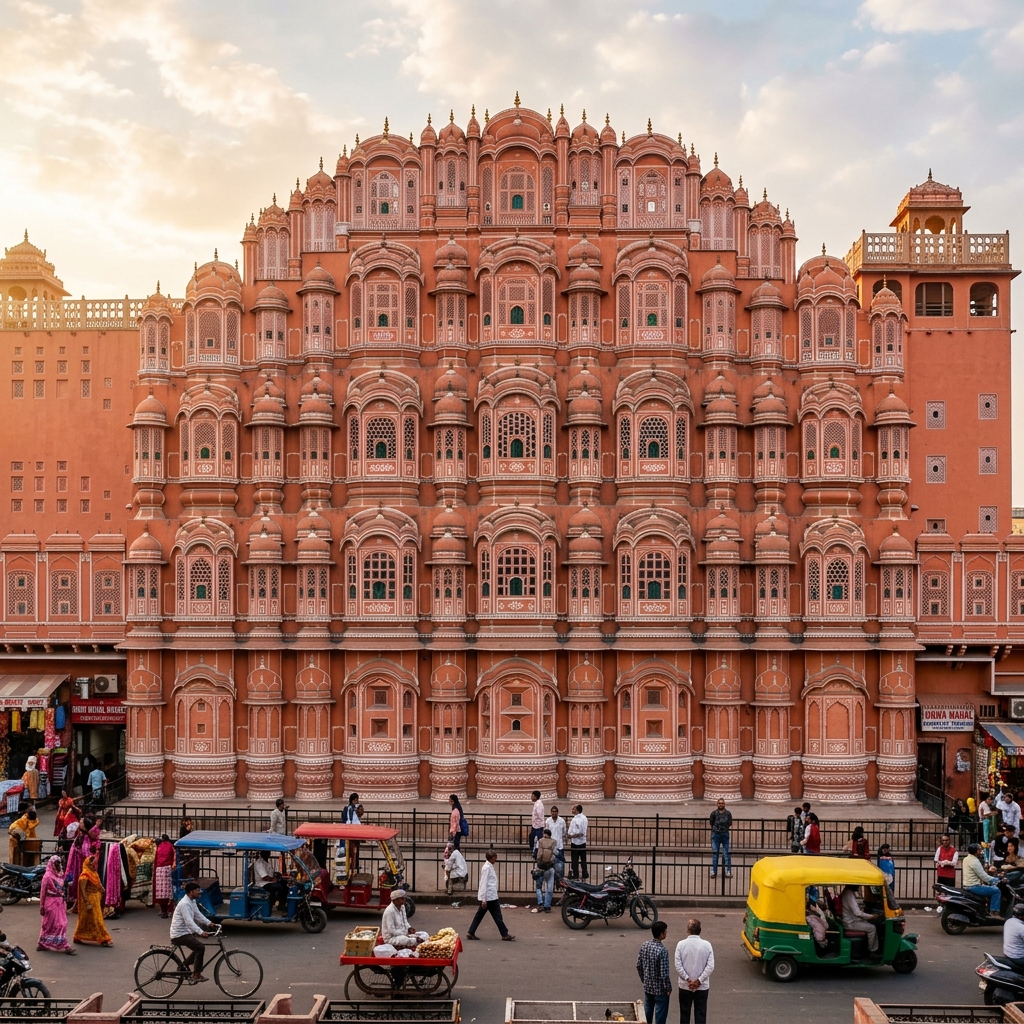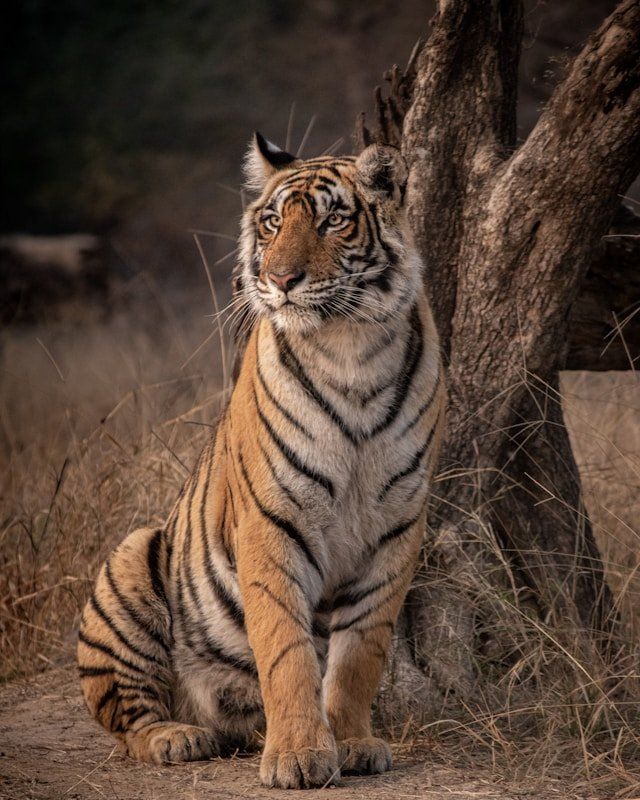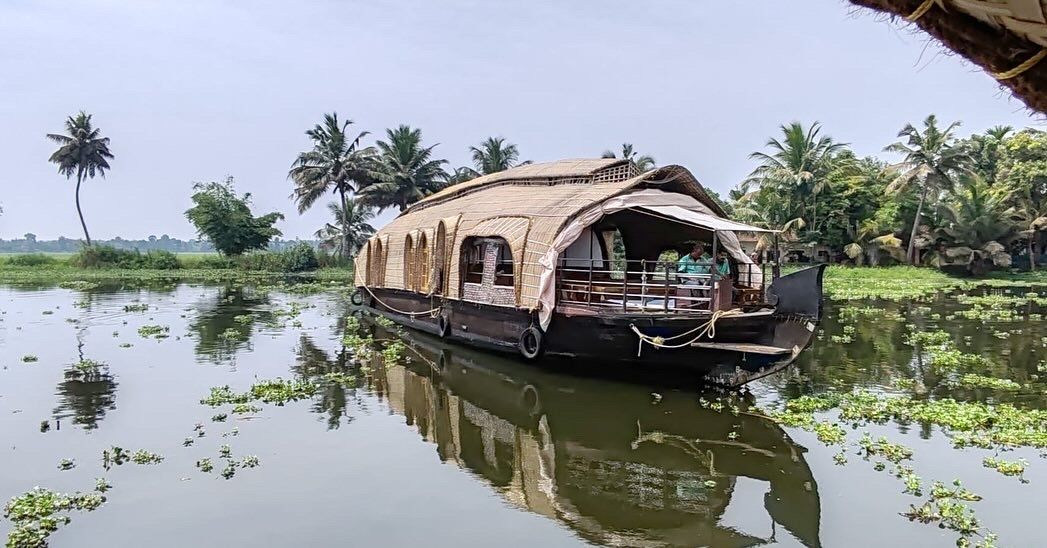
The short answer is November to February, and if you stopped reading here you would not go far wrong. But we have been running tours out of Jaipur since 2005, and the honest version has more in it than one date range. April in Jaisalmer and April in Udaipur are two different holidays. The week either side of Diwali costs nearly double what the week after costs. And the month most guidebooks tell you to avoid is the month our photographers keep asking for.
Here is how the Rajasthan year actually works, month by month, with what it does to your comfort, your bill and your photographs.
First: Rajasthan is not one climate
Three broad zones behave differently, and the difference is largest at the edges of the season:
- The desert west — Jaisalmer, Bikaner, Jodhpur. The extremes live here. Hottest in May and June, coldest at night in December and January, driest all year.
- The south — Udaipur, Mount Abu, Ranakpur. Hills, lakes and several degrees of mercy. Udaipur in April is warm; Jaisalmer in April is punishing.
- The east — Jaipur, Ranthambore, Bharatpur, Alwar. The middle case, and the wettest part of the state in the monsoon.
Month by month
October — the season opening
The monsoon has pulled back, the landscape is still green, and daytime highs sit around 33–35°C. Late October is genuinely pleasant. Hotels have not yet moved to peak rates and the crowds have not arrived. The risk is a late monsoon tail in the first week or two, which is usually a couple of afternoon showers rather than a washout.
November — the best month, and it knows it
Clear skies, 28–30°C by day, cool evenings. Everything in Rajasthan looks its best. It is also the busiest and most expensive month, and 2026 stacks two events into it: Diwali on 8 November, and the Pushkar Camel Fair, whose week builds up to Kartik Purnima on 24 November. If you want either, book four to five months out. If you want neither, come in the first week of December instead and pay a good deal less for the same weather.
December — cold mornings, perfect days
Days around 24°C, mornings genuinely cold: 8–10°C in Jaipur and colder in the desert, where a night in a Jaisalmer camp can drop close to 5°C. Visibility is excellent. Bring proper layers, not a token cardigan — the single most common thing our guests underpack for. Prices rise sharply again from around 20 December and stay high through New Year.
January — the coldest month, and a quiet one
Highs of 22–23°C, lows near 9°C. North India fog can delay morning departures and Delhi flights, so we build slack into January itineraries rather than promising tight connections. After the first week the crowds thin and rates settle. Jaipur's kite festival on 14 January fills the old city rooftops and is one of the genuine pleasures of the month.
February — the one we would pick
If you asked us to choose a single month, this is it. Warm days around 26°C, mornings you can be outside in without a coat, the last of the winter light, and the crowds noticeably lighter than November. The Jaisalmer Desert Festival falls here — 18–20 February in 2027 — and Ranthambore and Sariska are both in good form.
March — warming, and Holi
Early March is still comfortable at 30–32°C; by the end of the month you feel the heat arriving. Holi falls on 22 March in 2027 and is worth planning a trip around if the chaos appeals — it is not a spectator festival, and you will get covered in colour. Hotel rates soften from mid-March, which makes the second half of the month one of the better value windows of the year.
April — the split month
Jaipur and Udaipur are hot but workable, low to mid-thirties. Jaisalmer and Bikaner are already brutal. This is the month where itinerary design matters most: we shift the desert leg earlier in the day, put the long drives before noon, and lean the routing south towards the lakes. Prices are low and the forts are almost empty, which some travellers consider a fair trade.
May and June — heat with a purpose
Regularly above 42°C, sometimes 45°C in Jodhpur and Jaisalmer. We do not recommend a general sightseeing tour in these months. We do recommend them for one thing: wildlife. Water shrinks to a few holes, animals must come to them, and tiger sighting odds in Ranthambore and Sariska are at their best of the year. Hotel rates are at their lowest, and a good pool becomes a genuine itinerary item rather than a nice extra.
July and August — the monsoon
Rain arrives, unevenly: Jaipur gets around 330 mm across the season, Jaisalmer barely 120 mm. It does not rain all day — it rains hard for an hour and then stops. What you get in exchange is Rajasthan at its greenest, full lakes in Udaipur, dramatic skies, and the lowest prices of the year. What you lose is the core zones of the tiger reserves, which close from 1 July to 30 September. Teej, in August, is the state's own monsoon festival and is a real reason to come.
September — the underrated one
The rain tapers off, the green is still there, the crowds have not arrived, and rates are still low. Late September is one of the best value fortnights in the Rajasthan calendar, and the light after a monsoon shower is better than anything November offers. The tiger parks reopen on 1 October, so if wildlife is on the list, push into the first week of October instead.
Choosing by what you actually want
- Best weather overall — late November to February.
- Best value with good weather — the second half of March, or late September into early October.
- Best tiger sightings — April to June.
- Best photography — late September and October, for the green and the cloud.
- Best festivals — October and November for Diwali and Pushkar; March for Holi; August for Teej.
- Fewest other tourists — June to August, and you will have the forts to yourself.
The two weeks we tell people to avoid
Not for weather — for logistics. The fortnight around Diwali and the fortnight around Christmas and New Year are when Rajasthan hotel rates double or worse, the heritage properties sell out first, and domestic tourism fills every fort and every road. If those dates are fixed for you, we work with them and book early. If they are not, moving your trip by ten days buys you the same holiday for a great deal less.
How this shapes an itinerary
Season changes the route, not just the packing list. A December trip can run the full desert circuit comfortably — the sort of routing in our 15-night classic Rajasthan. An April or May trip we would rather build around Udaipur and the southern hills, with early starts and shorter driving days, than send you across the Thar at midday. The full range of routings is on our Rajasthan tours page, and we adjust every one of them for the month you are travelling.
Frequently asked questions
What is the single best month to visit Rajasthan?
February. Warm days, comfortable mornings, good light and lighter crowds than November. November has marginally better weather and considerably worse prices.
Is Rajasthan too hot in April?
In the desert west, yes. Around Udaipur and Jaipur it is manageable with early starts and an afternoon break. April is a routing problem, not an automatic no.
Can I visit Rajasthan during the monsoon?
Yes, and it is beautiful, cheap and empty. Accept that the tiger reserve core zones are closed until 1 October and that some desert camps shut for the season.
How far ahead should I book?
Four to five months for November, December and the Diwali or Pushkar dates. Six to eight weeks is enough for the shoulder months.
What is the coldest it gets?
Around 9°C at night in Jaipur in January, and lower in the desert — a Jaisalmer camp can approach 5°C. The rooms are rarely heated, so bring warm nightwear.
Tell us your month and we will build around it
Send us the dates you can actually travel and we will tell you what that month does well, what it does badly, and how we would route around it — including whether shifting your trip by a fortnight would save you real money. Send us your enquiry and we will come back with a plan built for your season, not a generic one.