Most adventure tours in India get planned the wrong way round. People pick the activity first, then find the river closed, the pass under snow or the desert too hot to sleep in. India's seasons differ from region to region, and the outdoor side of a trip depends on them. This guide sorts rafting, trekking and desert nights by the months that suit them. We plan trips from our office in Jaipur, where we have been since 2005.
Our trips are built around a private car, a driver and good hotels, so the adventure we plan is the kind you add to a touring holiday: a morning on the Ganges, a day hike, a night in the desert. For a multi-week expedition over technical passes, you want a specialist trekking outfit.
October to March: deserts, rivers and the Kerala hills
This is the main touring season for most of India and the best window for outdoor days in the west and south.
A night in the Thar
Desert camps around Jaisalmer generally run from about October to March, with November to February the most comfortable for sleeping out. On our 12-night Best of Rajasthan with Agra and Jaisalmer tour, the drive from Jodhpur is 300 km and takes about six hours, with a stop at the temple town of Osian. The next afternoon, after the fort and the havelis, guests head 50 km out to the dunes at Khuri village for a sunset camel ride. That itinerary returns to the hotel afterwards; on a tailor-made trip, a desert camp can take the place of the hotel night. Desert nights in December and January are cold; our season-by-season packing guide covers what to bring. For choosing between the dunes, read our camel safari article on Jaisalmer, Bikaner and Pushkar.
The white desert of Kutch
The other desert night is in Gujarat, and it feels nothing like the Thar. The Rann Utsav tent city at Dhordo sits on the edge of the white salt flats of the Great Rann. The 2026–27 season opens on 1 November 2026; most sources give 7 March 2027 as the closing date, though one gives the end of February, so confirm before you book. Our kite festival and desert festival tour shows how the days work. You drive about 400 km from Ahmedabad, roughly seven hours, arrive for lunch, and walk out onto the white desert between 5.00 and 7.30 in the evening. The second day ends with an afternoon trip to Kalo Dungar, the black hill above the Rann. Our honest view: it is a long road for two nights, so it suits people already planning a Gujarat trip rather than a quick add-on to Rajasthan. Our other Gujarat tours pair well with it.
Rafting on the Ganges at Rishikesh
White-water rafting at Rishikesh stops for the monsoon and restarts once the authorities have inspected the river. In 2025 permission came through for 27 September, so expect late September or October rather than a fixed date. The standard trip runs downstream from Shivpuri to Rishikesh. Distances vary between operators (16 to 24 km depending on the take-out point), and the rapids on that stretch are usually described as grade III, with one or two rated harder. It is a half-day outing that fits into a North India route; our North India routes article shows where Rishikesh fits.
Bamboo rafting in Periyar
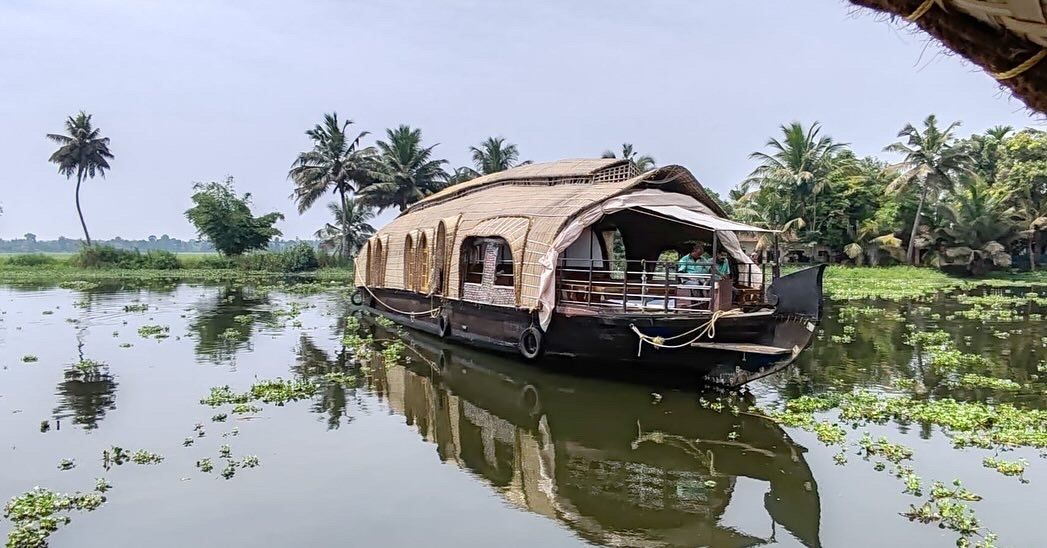
At Thekkady, the Periyar Tiger Reserve runs a bamboo rafting and trekking programme through its eco-tourism centre, with full-day and half-day slots and a reporting time of 7.45 am. Kerala Tourism's guide limits it to ages 12 and over. On our 10-day Kerala itinerary, Munnar to Thekkady is 110 km and about three hours, so you arrive the day before and do the rafting the next morning. If you will be driving the hill roads, our guide to a car with a driver in Kerala explains why we would not self-drive there.
April to June: the hills before the rain
The plains get hot from April, so this is when people head for the hills. Rafting at Rishikesh usually carries on until the monsoon closure, so late spring is a second chance if you missed the autumn window.
Above Dharamshala, the Triund hike is a good example of what most visitors actually want from "trekking". It is about 9 km one way from McLeod Ganj to a ridge at roughly 2,850 metres, a climb of four to five hours. Fit walkers do it in a day; others stay overnight. It needs no technical skill, but it is steep and stony.
July to September: Ladakh's turn
When the monsoon reaches most of India, Leh and Ladakh come into season. The Markha Valley, the best-known multi-day trek from Leh, is usually done from late June to early September, when the passes are clear of snow and the rivers can be crossed. Its high point is a pass at over 5,000 metres, so it is a proper trek, not a stroll.
The thing we tell every guest about Ladakh is altitude. Leh sits at around 3,500 metres, and flying in from Delhi lands you there with no time to adjust. The Leh district administration requires at least 48 hours of acclimatisation before tourists go higher, to Khardung La or Pangong Lake, and its health advisory says to avoid exertion for the first two days. We'd suggest building three nights in Leh before anything strenuous. We advise against the common shortcut of landing in the morning and driving over a high pass the next day. Ask your doctor about altitude medication before you go.
The downside of this season is obvious: Ladakh is the only big outdoor region at its best, and it does not combine easily with a Rajasthan or Kerala tour, which are then hot or wet. A summer trip to India with adventure in mind is really a trip to the mountains.
How we plan adventure tours in India
We start with the month you can travel, then find the outdoor experience that suits it, rather than the other way round. A rafting morning or a desert night only works if the driving days, hotels and timing either side of it are right. You can see how the main regions are laid out on our itineraries page, and our car and driver service covers the road between the activities.
Safety is the question we hear most from UK, US and Australian travellers, and the answer is less about rapids than about roads and people. Natalie Berman put it plainly in her Google review: "As two young women travelling together we felt very safe … I booked a 2nd tour with him 2 years later when I back to Udaipur for a wedding … (he even gave me the same chauffeur)!" More reviews are on our reviews page. Check separately that your travel insurance covers rafting and trekking at altitude; many standard policies have exclusions.
Common questions
Can I combine rafting, trekking and a desert night in one trip?
Rafting at Rishikesh and a Thar desert night fit together from October to March. Ladakh trekking does not, because its season is the summer.
Is Rishikesh rafting suitable for beginners?
The Shivpuri stretch is the usual choice for first-timers, with a guide in the raft. You need to be comfortable in water.
Do I need a permit for the Periyar bamboo rafting?
You book a slot with the reserve's eco-tourism programme rather than buying a separate permit. Book early, as slots are limited.
Tell us the month you can travel and what you would like to try, and we will build the route around it. Send us your trip details and our Jaipur team will reply with a plan.