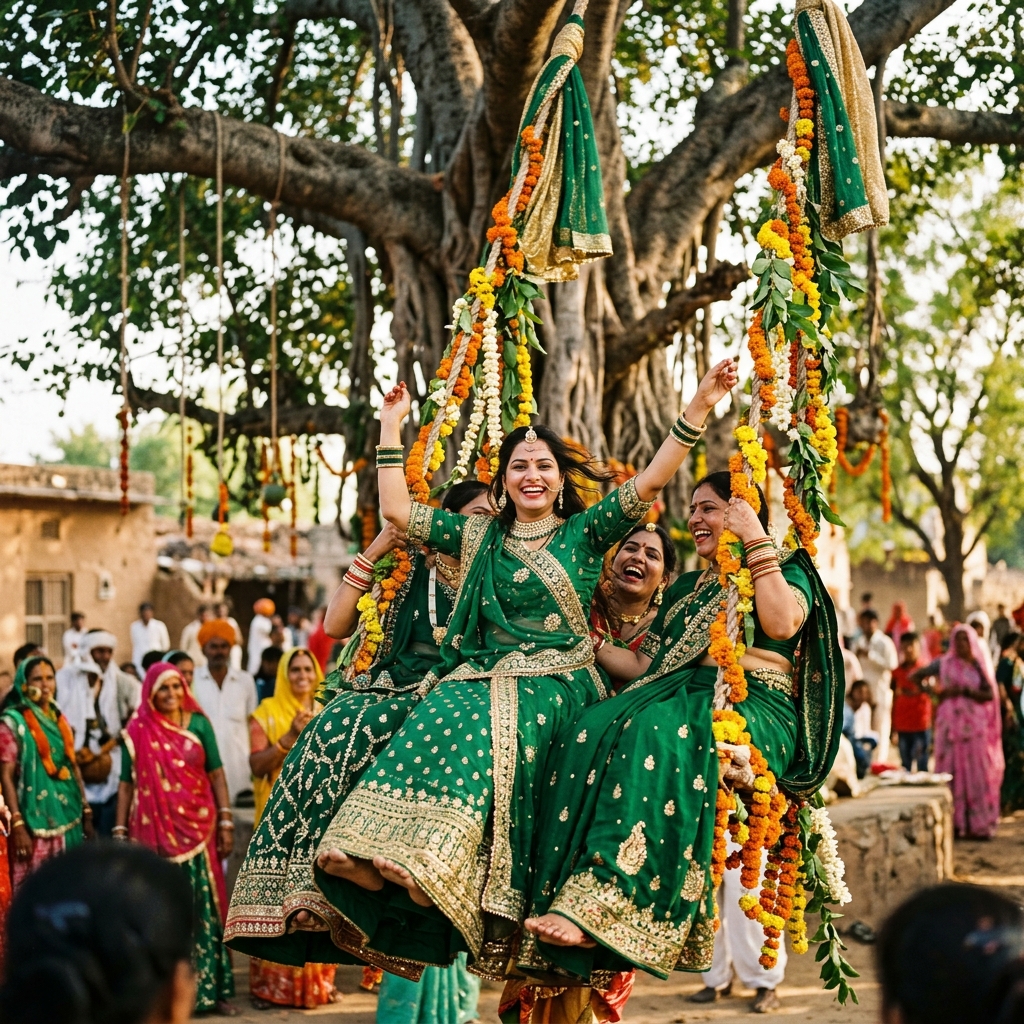
Ask anyone in Jaipur which night of the year the city looks its best, and you will get the same answer. On Diwali, every building in the old city — the bazaars, the havelis, the gateways of the pink walls — is outlined in light. The municipality judges the markets on their decorations. Families compete, politely but seriously, over their own doorways.
It is the single most beautiful night in Rajasthan, and it is also loud, crowded and, in places, genuinely overwhelming. Here is what it is actually like to be a visitor in the middle of it.
When Diwali falls
Diwali follows the lunar calendar, landing on the new moon of the month of Kartik — usually late October or early November. The main night in 2026 is Sunday, November 8, with the celebration running across five days from Friday, November 6 to Tuesday, November 10, 2026
The five days each have their own character, and knowing them helps you plan:
- Day 1 : Dhanteras — the buying day. Markets are at their busiest; gold, silver and kitchenware are traditionally purchased. Wonderful for wandering a bazaar.
- Day 2 : Choti Diwali — the quieter eve. Homes are cleaned, rangoli patterns are laid at doorsteps.
- Day 3 : Diwali — the main night. Lakshmi puja at home after dark, then lamps, lights and fireworks.
- Day 4 : Govardhan Puja / Annakut — temple food offerings, and the quietest day of the five.
- Day 5 : Bhai Dooj — brothers and sisters; a family day rather than a public one.
What it looks like in Rajasthan
Jaipur takes Diwali more seriously than almost anywhere else in India. The old-city markets — Johari Bazaar, Tripolia, Bapu Bazaar — are lit end to end, and the whole city drives slowly through them to look. It is a genuine spectacle, and it is free.
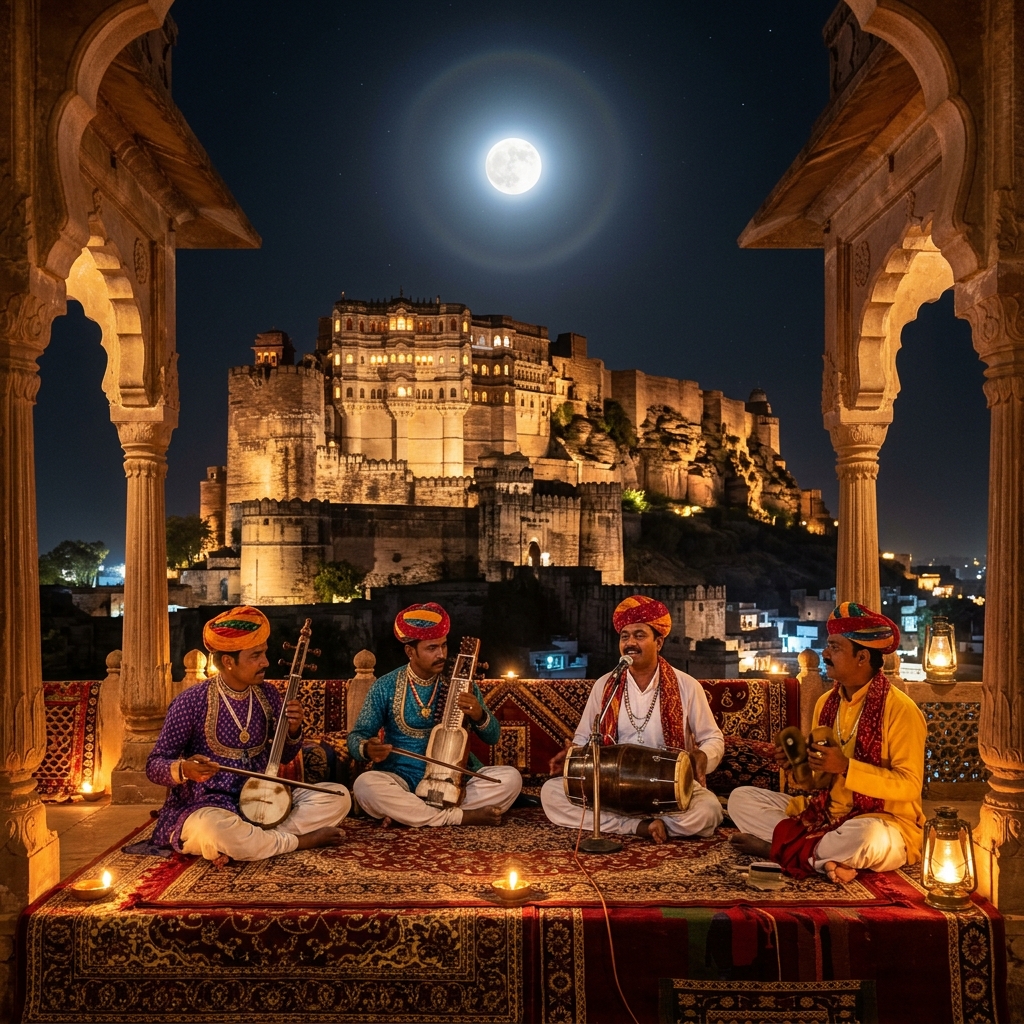
Udaipur offers the opposite pleasure: lamps reflected in the lake, quieter streets, and a gentler evening. Jodhpur's blue houses under the fort, lit up, are extraordinary from any rooftop.
If you are choosing a base for the main night, our advice is Jaipur for the scale of it, Udaipur if you would rather watch than be in it.
How to experience it as a visitor
The hard truth about Diwali is that it is a home festival. The best of it happens behind doorways, at family pujas and dinners. A visitor standing in a public square sees the lights but misses the warmth.
Some ways around that:
- Accept a home invitation if one is offered. Bring sweets. Expect to be fed far more than you can manage.
- Choose a heritage hotel that celebrates properly. Many of the palace hotels hold their own puja, lay out lamps across the courtyards, and welcome guests to join. This is the most reliable way to be part of something rather than watching it.
- Go to a market at dusk on Dhanteras. The energy is at its best, and it is easier to move than on the main night.
- Watch from height. A rooftop restaurant on the main night gives you the fireworks across the whole city without the crush at street level.
The things people wish they had known
- The fireworks are constant and very loud, from dusk until well past midnight, and they are set off in the streets rather than at organised displays. If you are a light sleeper, ask for a room away from the road. If you are travelling with a nervous dog-lover's temperament, this is worth knowing in advance.
- Air quality drops sharply for a day or two after the main night, especially in Delhi. Anyone with asthma or a respiratory condition should think carefully about being in a large northern city that week — Udaipur and the smaller Rajasthani towns are noticeably better.
- Shops and offices close around the main day, and roads in and out of cities are heavy for several days as people travel to family.
- Prices rise and hotels fill. Diwali is peak domestic travel season on top of peak international season. Book months ahead, not weeks.
- Drivers and guides have families too. We plan lighter days around the main night so our team can be home for it — and we would rather tell you that than pretend otherwise.
Fitting Diwali into a trip
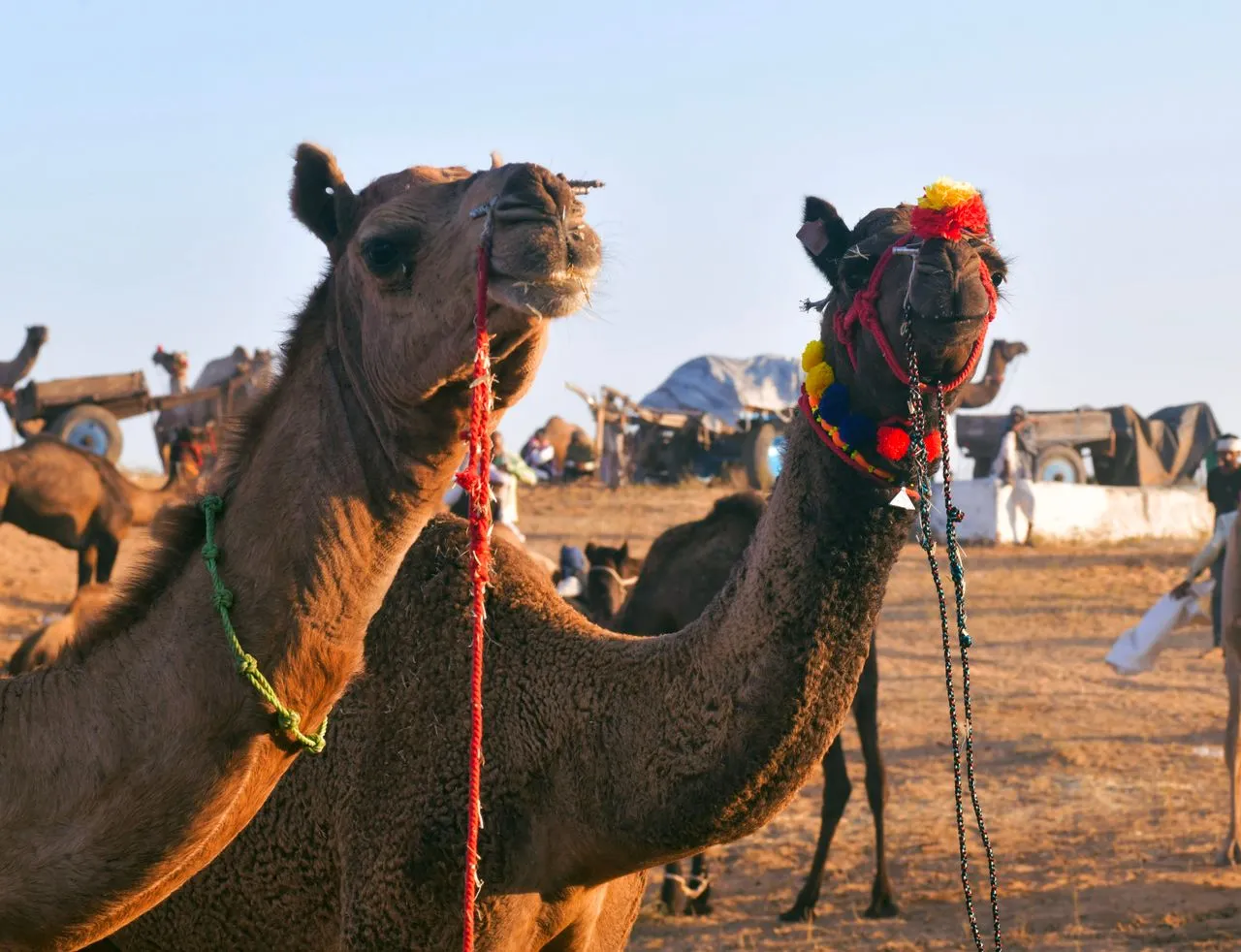
Diwali sits at the very start of Rajasthan's best travel window. From late October the heat breaks, the light turns golden, and conditions stay excellent through to March. Arriving for Diwali means arriving at the beginning of the good season — and, if the timing suits, the Pushkar Camel Fair often falls within a fortnight of it, which makes for a remarkable two weeks.
Practically, we would suggest:
- Be settled in one city for the main night rather than travelling on it.
- Allow a slow day afterwards. The city sleeps late and so will you.
- Build the rest of the route around that fixed point — see our Rajasthan tours or the Golden Triangle if time is short.
Worth planning a trip around?
Yes — with one caveat. Come for Diwali if you want to see India at its most joyful and least restrained, and if noise and crowds do not trouble you. Come a week later if you would rather have the good weather and the quiet.
Either way, this is the season we would choose ourselves. If you are thinking about it, tell us your dates and we will tell you what the week actually looks like on the ground. You can also read more on our Diwali festival page.