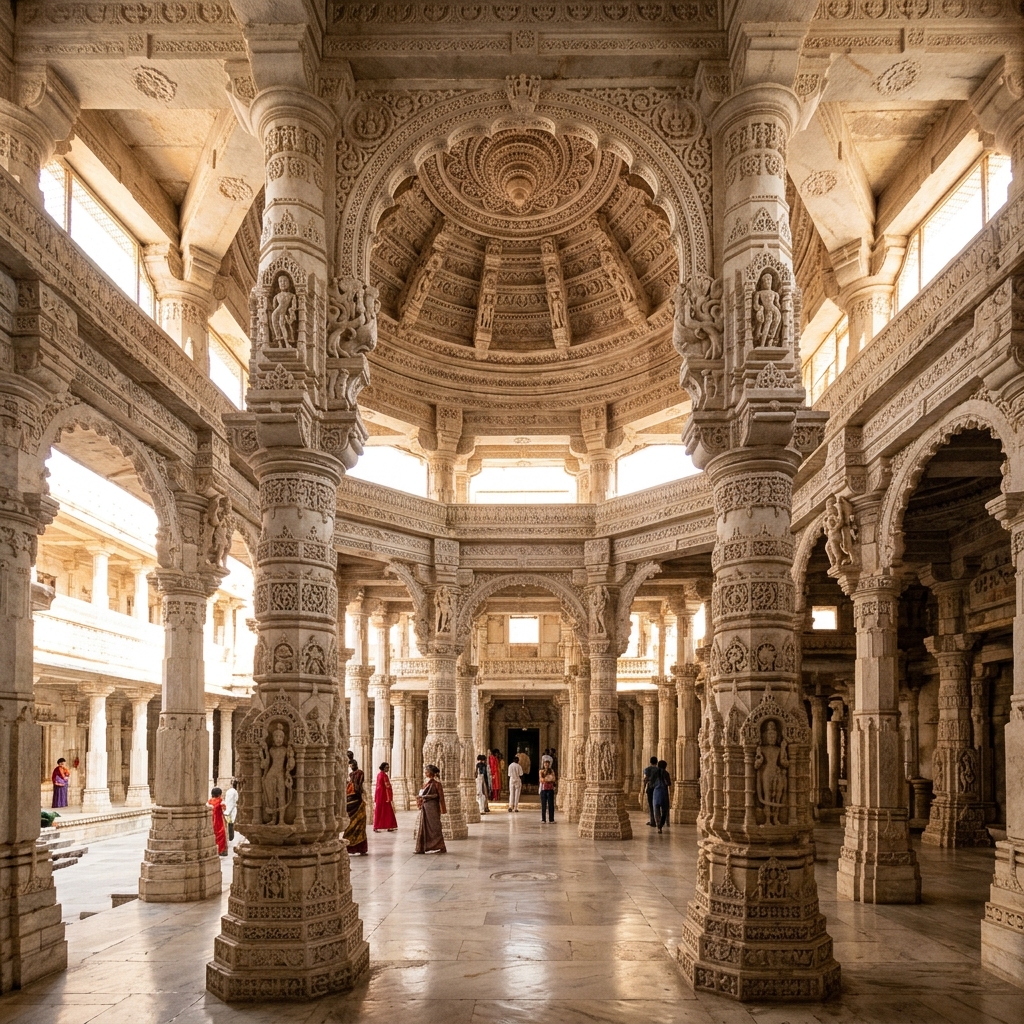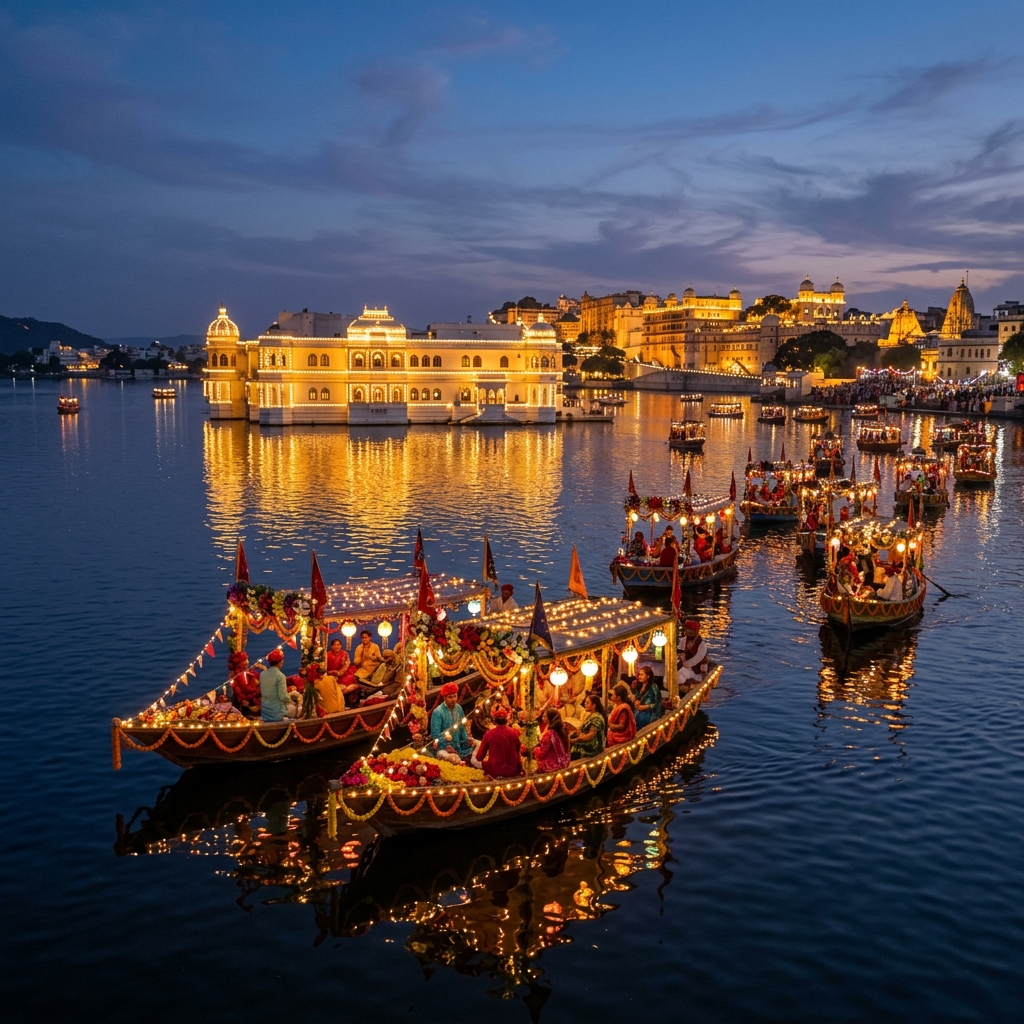
Most people who come to Jodhpur in October come for the fort, the blue lanes and the food. A few of them get lucky and land in town during the Marwar Festival, two days of folk music, dance and horsemanship timed to the full moon of Sharad Purnima. We've planned a lot of trips around it, and a few that tried to and missed. This guide is what we'd tell you over tea in our Jaipur office.
When is the Marwar Festival 2026?
The festival runs over two days and is tied to Sharad Purnima, the full moon in the Hindu month of Ashwin. In 2026 that full moon falls around 25 and 26 October (calendars differ by a day depending on when the tithi starts). So the festival should land somewhere in that window.
Here's the honest part. Rajasthan Tourism publishes the exact programme only a few weeks ahead, and some travel sites still show dates copied from an older year. Don't book non-refundable flights around a date you found on a random listing. We check the official schedule as soon as it's out and adjust our guests' Jodhpur nights to match.
If your trip is fixed, build a little slack in: two nights in Jodhpur instead of one, with the full-moon evening in the middle, covers most of the uncertainty.
What actually happens at the Marwar Festival?
The festival started life as the Maand Festival. Maand is a classical folk singing style from this region, and the old songs are about the Rathore rulers, their battles and their romances. That music is still the heart of it.
What you'll typically see:
- Evening folk performances with Maand singers, Manganiyar and Langa musicians, and dancers from across western Rajasthan.
- Daytime events in the city: a procession and, in many years, turban-tying and moustache contests (yes, really, and the contestants take them seriously).
- Horse and camel events, plus the occasional polo display, depending on the year.
- A final programme at the sand dunes near Osian, about an hour and a half north of the city.
It isn't a huge, ticketed spectacle like a stadium concert. Some events are relaxed, a bit disorganised, and mostly attended by locals. We think that's the charm. If you want slick production, the music festival at the fort a few days around it (more below) is closer to that.
Where are the events held?
Venues have shifted over the years, but the usual ones are Mehrangarh Fort, the area around the Clock Tower (Ghanta Ghar) and Sardar Market, Umaid Stadium, Mandore Garden and the Osian dunes. The programme sheet tells you which event is where.
A practical note on the old city: cars can't get close to the Clock Tower in the evening. Our drivers drop guests at the edge and walk them in, or we switch to an auto-rickshaw for the last stretch. It's a ten-minute ride that feels longer, and it's part of the fun.
Osian is different. You need your own vehicle, it's roughly 65 km each way, and the road is decent. Leave by mid-afternoon so you're at the dunes before sunset. Osian also has a cluster of old Hindu and Jain temples, including Sachiya Mata, so the trip is worth it even outside festival time.
Is it worth planning a trip around it?
Our opinion: plan a Rajasthan trip for late October and let the festival be a bonus, not the anchor. Two days is short, the schedule gets confirmed late, and some sessions are thin on audience. If it slips by a day, you don't want your whole route to collapse.
The timing also happens to be good for other reasons. The monsoon is done, the worst heat has gone, and the lakes in Udaipur usually still have water. Nights in the desert start cooling. Days in Jodhpur can still touch the low 30s °C, so the midday hours are for lunch and a nap. Our month-by-month guide to Rajasthan's weather goes into more detail.
One thing to watch: Diwali. In 2026 it falls in November, after the festival, but the run-up weeks see Indian families travelling and hotel prices climbing. Book Jodhpur rooms early.
Marwar Festival and Jodhpur RIFF: can you do both?
Often, yes. The Rajasthan International Folk Festival (Jodhpur RIFF) is also timed to Sharad Purnima and held inside Mehrangarh. The 2026 edition, its 20th, is announced for 22 to 26 October. RIFF is ticketed, well produced, and the late-night and dawn sessions on the fort ramparts are something our guests talk about for years.
The two events are separate. Marwar Festival is run by the state tourism department and is mostly free to watch; RIFF is a private festival with its own passes. If you're in town for four or five nights, you can mix both. RIFF passes and the rooms near the fort go quickly, so decide early.
Getting to Jodhpur
Jodhpur has an airport with daily flights from Delhi, Mumbai and a few other cities. By road, these are the drives we do most often:
- Jaipur to Jodhpur: about 5.5 to 6 hours via Ajmer. We usually stop at a dhaba past Beawar for chai and parathas.
- Udaipur to Jodhpur: 5 to 6 hours direct, or a full day if you stop at the Ranakpur Jain temple (non-Jain visitors are allowed in from noon).
- Jaisalmer to Jodhpur: around 5 hours on a straight desert highway. Boring, but quick.
For couples, an Etios sedan is fine. With luggage and four people, take an Innova Crysta. Groups of six or more should look at a Tempo Traveller (Urbania). You can see all of them on our car rental page.
Where to stay during the festival
Stay in or near the old city if you want to walk to the evening events. There are plenty of haveli guesthouses below the fort, many with rooftop restaurants looking straight up at Mehrangarh. Rooms are small and stairs are steep. Some are lovely, some are noisy.
If you'd rather have space and a pool, the palace and heritage hotels on the city's edge are better, but you'll drive in each evening. Rough price guide for festival week: simple haveli rooms from about ₹3,000 to ₹6,000 a night (€30 to €60), good heritage hotels ₹10,000 to ₹25,000 (€100 to €250), and the top palace hotel well above that.
More on the city itself is on our Jodhpur destination page.
What we tell guests before they go
Carry cash in small notes. Street food stalls around Sardar Market don't always take cards, and the mirchi bada and mawa kachori are worth the queue.
Dress for the evening. It's warm in the day, but the dunes and the fort ramparts get breezy after dark. A light shawl is enough.
Mehrangarh gets crowded on festival days. Go early, around 9am when it opens, and do the museum before the tour groups arrive. The foreigner ticket costs several hundred rupees, and the audio guide is extra (we think it's one of the better ones in India).
Photography of performers is usually fine, but ask before pushing a lens into a musician's face. A small tip after a good song is normal and appreciated.
If you're also curious about other autumn events, our piece on Navratri and Dussehra in Rajasthan covers the weeks just before.
Marwar Festival FAQ
Is the Marwar Festival free?
Most of the public events are free to watch. Monument entry (like Mehrangarh) is charged as usual, and Jodhpur RIFF is a separate ticketed festival.
How many days should I spend in Jodhpur for it?
Two nights at minimum, three if you want the Osian dunes evening and a relaxed morning at the fort. Four or five if you're adding RIFF.
Can I visit with kids?
Yes. The camel events and the dune evening go down well with children. The late-night music is harder going for small kids, so pick one or two evenings.
Where can I check the official programme?
Rajasthan Tourism publishes it, usually a few weeks before the full moon. We also keep our Marwar Festival page updated and will confirm dates with you when we plan your trip.
If you'd like us to build a late-October route with the Marwar Festival (and maybe RIFF) in the middle, send us your dates and group size through our enquiry form. We'll come back with a day-by-day plan, a car and driver, and hotels that suit your budget, and we'll re-check the festival schedule as soon as it's published.