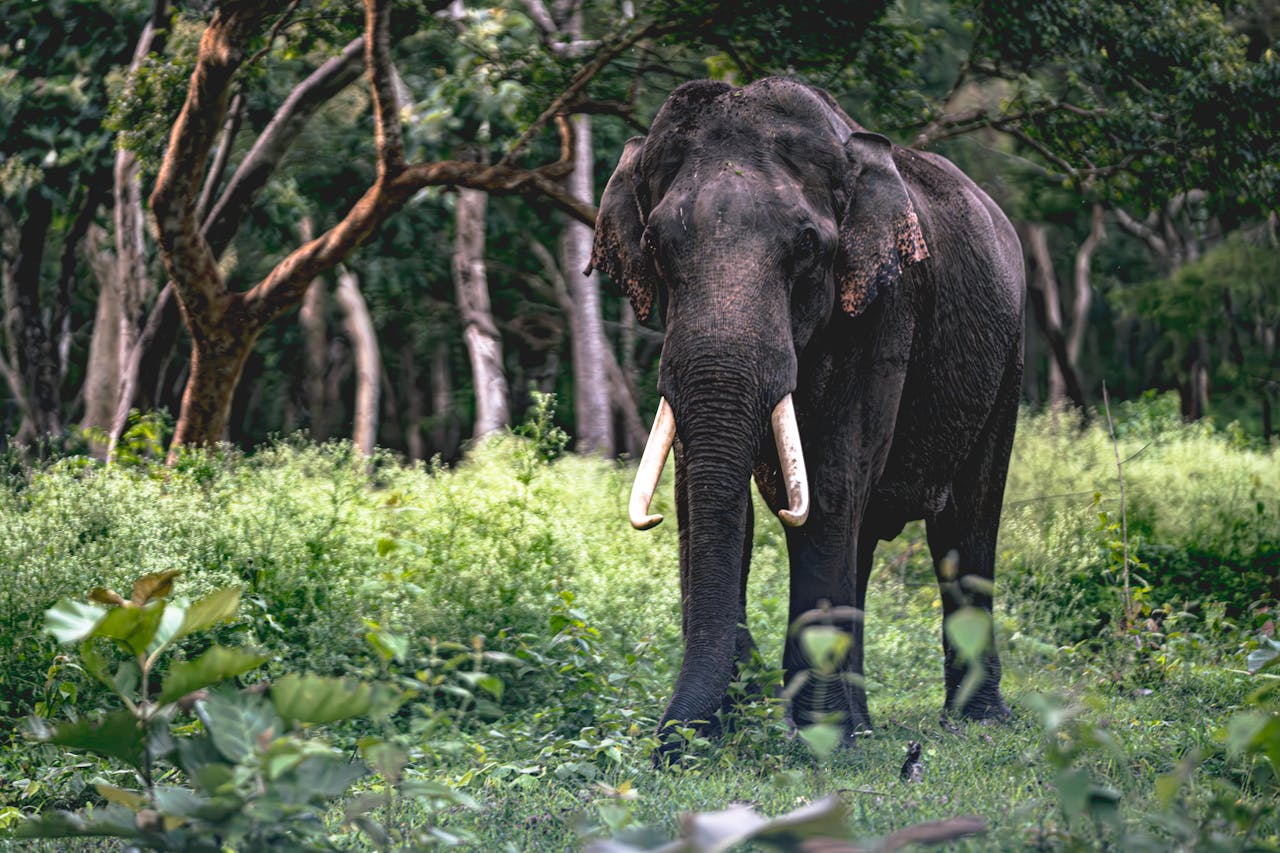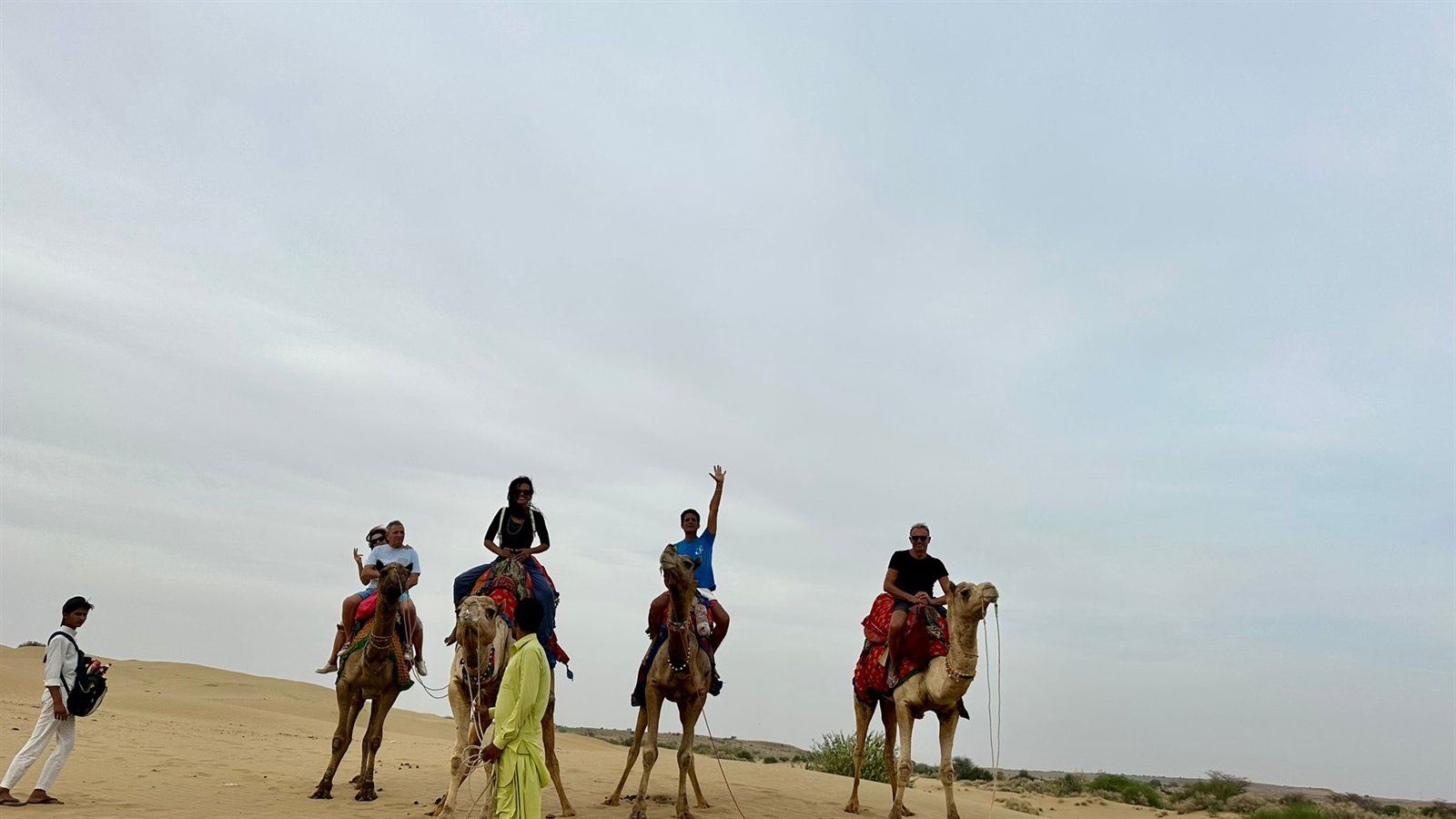
We get this question almost every week in season. A guest has a Golden Triangle trip booked, wants one tiger safari, and has read about two reserves in Rajasthan. Ranthambore or Sariska?
Short answer: if seeing a tiger is the point, go to Ranthambore. If you have one spare day, want less driving and are happy with a good jungle drive whether or not a tiger turns up, Sariska makes a lot of sense. The longer answer depends on your route, your dates and your patience.
Ranthambore vs Sariska at a glance
Here's how we compare them when a guest calls us from Delhi with a pen in hand.
- Tiger sightings: Ranthambore is one of the best reserves in India for it. Sariska is improving, but sightings are far less predictable.
- Distance from Jaipur: Ranthambore (Sawai Madhopur) is about 160 km, roughly 3 to 3.5 hours. Sariska is about 110 km, roughly 2.5 to 3 hours.
- Distance from Delhi: Sariska is about 200 km and 4 to 5 hours by road. Ranthambore is usually reached by train, or via Jaipur.
- Crowds: Ranthambore is busy, especially in the main zones and on holiday weekends. Sariska feels quiet by comparison.
- Safari vehicles: both use open Gypsies (6 seats) and larger canters (around 20 seats).
- Season: both reserves' main areas close for the monsoon, from 1 July to 30 September, and reopen on 1 October.
- Extras: Ranthambore has a huge fort inside the park. Sariska has Kankwari Fort, temples, and Bhangarh within a short drive.
- Nights needed: two for Ranthambore, one can work for Sariska.
Which reserve gives you the better chance of seeing a tiger?
Ranthambore. We don't hedge on this one.
The park has a well-established tiger population, a lot of open dry forest, lakes where tigers come to drink in the heat, and decades of tigers used to jeeps. On a two-night stay with three or four drives, most of our guests see a tiger. Not all. Some leave without one and are annoyed about it for the whole train ride back, which we understand.
Sariska has a different story. Tigers disappeared from the reserve in the mid-2000s, and they were brought back by relocating animals from Ranthambore starting in 2008. The population has grown since, and sightings do happen, but the forest is thicker and the tigers are warier. We'd call a tiger in Sariska a good day, and a tiger in Ranthambore a reasonable expectation.
How the safaris work in each park
Ranthambore
The reserve is divided into ten zones. Zones 1 to 5 are the core, and zones 6 to 10 are the buffer. Zone allocation happens when the permit is booked, and you can't choose to switch mid-drive. Zones 2, 3, 4 and 5 are the ones people ask for by name, and they sell out early for December, the New Year week and the spring months.
Drives last around three and a half hours, one in the morning (starting around 6:30am in winter, earlier in summer) and one in the afternoon. The slots shift with sunrise and sunset through the season, so we confirm them when we book.
We book a Gypsy whenever we can. Canters are cheaper and fine for families, but 20 people means 20 opinions about when to stop, and a lot more noise. On a canter, try for a seat at the back or on the side away from the sun.
Sariska
Sariska is smaller in tourism terms. Safaris start from the main Sariska gate on the Alwar road, and from Tehla on the other side. Drives run morning and afternoon, roughly three hours each. The tracks are rocky in places, so expect to be shaken about.
One thing to check: the reserve has a weekly day without regular safaris, and different sources have named different weekdays over the years. We check the current forest department rule before we fix your date, and so should you if you're booking alone.
We wrote a full Sariska tiger reserve safari guide if you want the practical detail.
How do you get to Ranthambore and Sariska?
This is where Sariska often wins.
Sariska sits neatly between Delhi and Jaipur. On a Golden Triangle trip you can drive from Delhi, do an afternoon safari, sleep near the gate, do a morning drive and still reach Jaipur for a late lunch. Our drivers usually stop at a dhaba outside Alwar for chai on the way in. Easy.
Ranthambore takes more effort. From Jaipur it's a 3 to 3.5 hour drive, and the last stretch into Sawai Madhopur is slow. From Agra it's a long day by road, around 5 to 6 hours, often with a stop at Fatehpur Sikri or Abhaneri on the way. Sawai Madhopur is also on the main Delhi to Mumbai railway line, so many guests take a train from Delhi or Jaipur and have our driver meet them at the station with the car.
If you like the idea of Ranthambore but don't want to redesign your whole trip, our 8-night Golden Triangle with Ranthambore tour shows how we fit it in without killing anybody on the road.
Which park is better outside of the tiger question?
Ranthambore Fort is the big one. It sits on a hilltop inside the reserve, it's part of the Hill Forts of Rajasthan UNESCO listing, and the walk up to the Ganesh temple inside is lovely in the early morning. Langurs everywhere. Sometimes a leopard on the lower walls, if you're very lucky. The lakes in the core zones (Padam Talao, Rajbagh, Malik Talao) are good for crocodiles, sambar and waterbirds even when the tigers don't cooperate.
Sariska is greener and hillier, with dhok forest that changes colour through the year. You'll see nilgai, sambar, spotted deer, peafowl everywhere, and a fair chance of jungle cats and hyena signs. The Kankwari Fort inside the reserve and the Pandupol Hanuman temple are worth the detour. The abandoned town of Bhangarh, famous across India as a "haunted" fort, is roughly an hour's drive away and pairs well with a Sariska stay.
What does each safari cost?
Park fees are revised by the Rajasthan forest department, and online booking charges vary by portal, so we'll give ranges rather than exact numbers. For foreign nationals, a seat in a shared Gypsy in Ranthambore usually works out somewhere around INR 1,800 to 3,000 per person per drive once fees and booking costs are included (roughly 20 to 32 EUR / 22 to 36 USD). Canter seats cost less. Booking a whole Gypsy for your group costs several times the seat price and has to be done well ahead.
Sariska is generally a little cheaper and far easier to get a vehicle at short notice. Hotels near both parks range from simple guesthouses to expensive jungle lodges. Ranthambore has the wider choice of good mid-range hotels.
When should you go?
Both parks open on 1 October. Early October can still be hot and green, with thick bush. November to February is pleasant, sometimes cold at 6am in an open jeep: bring a fleece and a scarf for the dust. March to June is hot, often above 40°C in May, but that's when tigers come to the water and sightings peak.
For more on the season generally, see our best time to visit Rajasthan post.
Our verdict: who should pick which?
Pick Ranthambore if: a tiger is the main reason for the detour, you can spare two nights, and you don't mind other jeeps around a sighting.
Pick Sariska if: you're driving Delhi to Jaipur anyway, you have one night, you prefer quiet forest, and you'd rather not add a three-hour drive each way. Go with an open mind about tigers.
Do both? Only if you're a keen wildlife traveller with time. Otherwise it's a lot of dust for similar landscapes. If tigers are a big part of your trip, have a look at our Ranthambore and Sariska destination pages, and consider central India's parks too.
FAQ: Ranthambore or Sariska
Can I do Sariska as a day trip from Jaipur?
You can, with a very early start. We prefer one night near the gate, so you get an afternoon and a morning drive without rushing on the highway in the dark.
Is Ranthambore worth it with only one safari?
One drive is a gamble. If you can only manage one, pick a morning drive and accept that it may be tiger-free. Two nights and three drives changes the odds a lot.
Are the parks open during the monsoon?
The main tourism areas of both reserves close from 1 July to 30 September. In Ranthambore some buffer zones have stayed open in the monsoon in recent years, but it's not the same experience.
Which one is better for children?
Sariska, for the shorter drive from Jaipur or Delhi. Ranthambore works well for older kids who can handle two long drives and early starts.
Still torn? Tell us your dates and route, and we'll tell you honestly which reserve fits, and which zones and drive times we'd book for you.