Sariska is the reserve we send people to when they want a tiger safari that fits into a Golden Triangle trip without adding three days of driving. It sits in the Aravalli hills of Alwar district, roughly 195 km from Delhi and 110 km from Jaipur, which means you can leave a Delhi hotel after breakfast and reach a lodge in time for the afternoon safari. That convenience is why it gets booked. It is not why it is interesting.
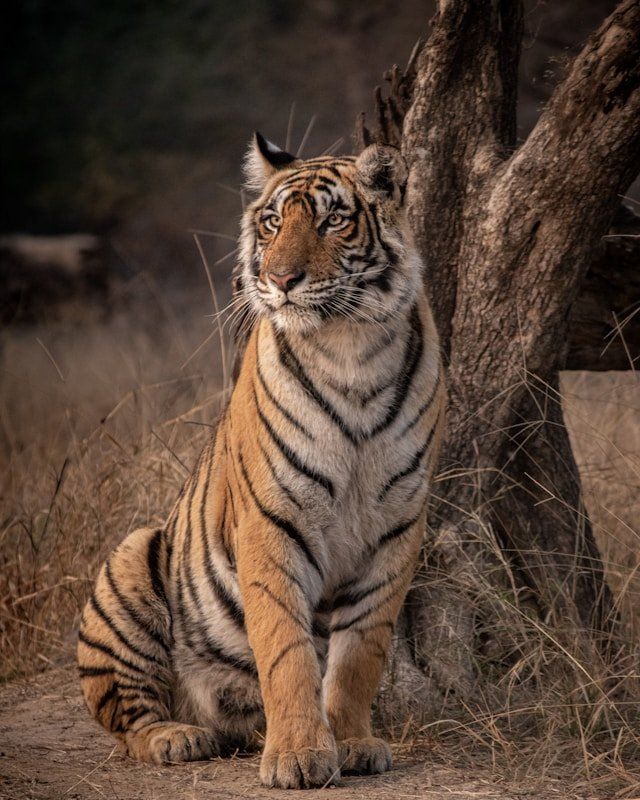
Sariska is the park that lost every one of its tigers. By 2004–05 poaching had emptied it completely, a national scandal at the time. In 2008 two animals, ST-1 and ST-2, were tranquillised in Ranthambore and flown here by helicopter — the first scientific tiger relocation of its kind anywhere in the world. Seventeen years later the count has climbed back to around fifty. Every tiger you might see here descends from that experiment.
Getting there, and how long it actually takes
We run this drive constantly, so here are the real numbers rather than the map estimates:
- Delhi to Sariska — about 195 km via NH-48 and Dharuhera–Alwar. Budget 4.5 hours door to door. Leaving Delhi before 7am saves close to an hour of Gurugram traffic.
- Jaipur to Sariska — about 110 km, 2.5 to 3 hours. The easier of the two runs.
- Alwar town to the Sariska gate — 36 km, roughly 45 minutes.
For two or three guests we use an Innova Crysta; for families and small groups a Urbania, which matters here because luggage plus camera bags fills a sedan boot fast. There is no useful train station or airport at Sariska itself. Road is the way, and it is a good road.
Gates and zones, explained plainly
The reserve covers around 880 square kilometres, but tourism happens in a much smaller slice of it. You enter through one of three practical gates:
- Sariska Gate — the main entrance on the Alwar–Jaipur highway, giving access to the core zones. Almost every lodge sits within ten minutes of it.
- Tehla Gate — the quieter southern entrance. Fewer vehicles, a longer approach, and a favourite of guides who want a morning without a convoy.
- Bala Quila and Baraliwas — buffer-zone routes that stay open when the core does not.
Zones 1 to 3 are where the resident tigresses have held territory most consistently, and where guides push to be allotted. You do not choose your zone: the forest department assigns it when the permit is issued. Anyone promising you zone 2 in advance is selling you something they do not control.
Season, timings, and the closure nobody warns you about
The core zones close from 1 July to 30 September every year for the monsoon breeding season. Buffer routes continue, but if a tiger sighting is the point of your trip, do not come in those three months. The tourism season runs 1 October to 30 June.
Within that window:
- November to March — the comfortable months, and the ones that pair naturally with a Rajasthan itinerary. December and January mornings are genuinely cold in an open gypsy. Bring a fleece and a hat, not just a shawl.
- April to June — hot, dusty, and the best odds of a sighting. Water shrinks to a handful of holes and the animals have to come to them. Afternoons hit 42°C, so it is a trade you make knowingly.
Safaris run in two shifts of roughly three to three and a half hours: mornings from about 6:00 in winter and 6:30 in summer, afternoons from about 2:00 to 2:30. You are back at the lodge for a late breakfast or a late dinner, never both comfortably in the same day.
One local detail worth planning around: the Pandupol Hanuman temple sits inside the reserve, and on Tuesdays and Saturdays pilgrim vehicles are allowed through to reach it. The traffic and noise on those days do the sightings no favours. Where an itinerary has flexibility, we place the Sariska nights so the safaris fall on other days.
Gypsy or canter
A gypsy is a six-seat open 4x4. A canter is a twenty-seat open truck. The canter is cheaper and perfectly fine if you simply want to be in the forest. The gypsy is what you want if you are carrying a long lens, or if you care about where the vehicle stops and for how long.
Rates are set by the forest department and revised each season. As a rough guide, expect around ₹1,400–1,800 per seat for Indian nationals on a gypsy and roughly ₹3,000–3,500 for foreign nationals, with canter seats meaningfully cheaper. The permit, the driver and a compulsory nature guide are included. We book seats or whole vehicles as part of the tour and quote the current season rate rather than an estimate.
Permits are limited and released on a first-come basis through the Rajasthan forest department portal. Over the Christmas and New Year fortnight and on long weekends they genuinely sell out, which is the practical argument for booking Sariska inside a planned itinerary rather than deciding on the day.
Being honest about sightings
Fifty tigers across 880 square kilometres of dry deciduous hill forest is not a zoo. Two safaris give you a fair chance. One safari is a lottery ticket. Guests who arrive expecting a guaranteed tiger leave disappointed. Guests who arrive wanting three hours in the Aravallis leave having seen sambar, nilgai, wild boar, langur, peafowl and jackal, sometimes a leopard on the ridges near Kalighati, and occasionally a tiger — which then becomes the story of the trip rather than the minimum expectation.
If you want the highest odds Rajasthan can offer, Ranthambore is the stronger park and we will tell you so. What Sariska offers instead is proximity, far fewer vehicles around a sighting, and a landscape of dry hills and ruined temples that photographs beautifully whether or not a cat walks into the frame.
What else is worth your time nearby
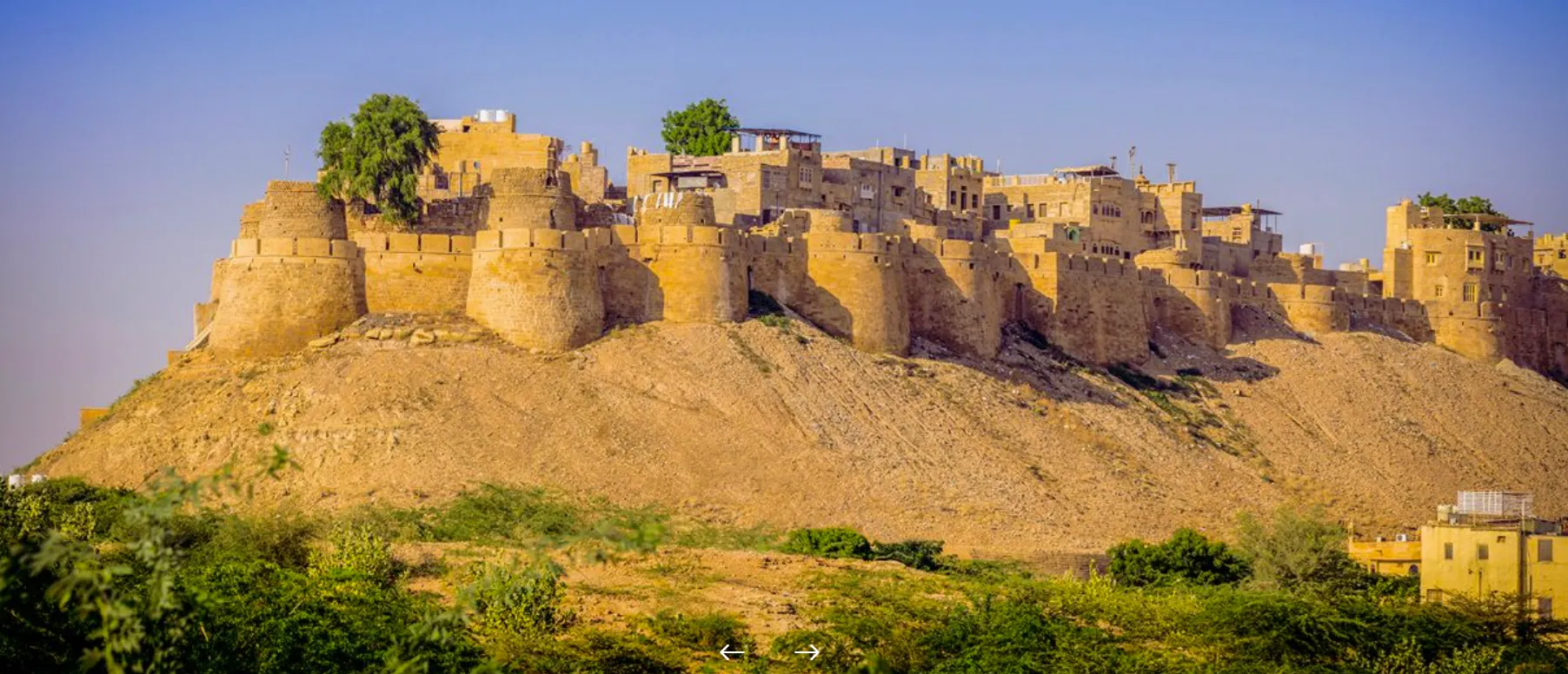
- Bhangarh Fort — the abandoned town on the far side of the hills, an hour and a half to two hours by road, officially closed between sunset and sunrise. Worth it for the ruins, whatever you make of the ghost stories.
- Kankwari Fort — deep inside the reserve, reached on a longer safari route. Aurangzeb is said to have imprisoned his brother Dara Shikoh here.
- Siliserh Lake and Bala Quila at Alwar — a comfortable half day if you are stopping in the town.
- Neemrana — a step-well and a fort-palace hotel on the Delhi road, a natural lunch stop rather than a detour.
How we build Sariska into a trip
The version that works best is not a two-night wildlife holiday. It is two nights slotted between Delhi and Jaipur: leave Delhi in the morning, take an afternoon safari, spend a full day with both shifts, then make the short drive on to Jaipur. It costs one extra day against a standard six-night Golden Triangle and changes the shape of the whole trip.
Travellers continuing to Agra afterwards usually add Chand Baori at Abhaneri, which sits directly on the Jaipur–Agra road and needs only an hour. If wildlife is the actual purpose of your visit rather than an addition to it, our wildlife itineraries run the longer circuits — Ranthambore, Bandhavgarh, Kanha, Kaziranga — where you take six or eight safaris rather than three.
We have been arranging these trips out of Jaipur since 2005, and what we have learned about Sariska is that it rewards people who come for the forest rather than for a photograph they have already imagined. India tends to give you what you are actually paying attention to, something we wrote about at more length in India is not a destination, it is a collection of stories.
Frequently asked questions
Is Sariska worth visiting if I have already booked Ranthambore?
Only if the routing suits you. Two Rajasthan tiger reserves on one trip is repetitive for most travellers. Choose Ranthambore for sighting odds, Sariska for the shorter drive from Delhi and quieter safaris.
How many safaris should I book?
Two at an absolute minimum, ideally three. One afternoon and one morning shift is the standard we build into itineraries; a second morning materially improves your odds.
Can I visit Sariska as a day trip from Delhi?
You can, and we do arrange it, but it means nine hours of driving for one three-hour safari. A single night at a lodge turns a punishing day into a good one.
Is Sariska open during the monsoon?
The core zones close from 1 July to 30 September. Buffer-zone safaris continue and the landscape is at its greenest, but tiger sightings in those months are rare.
What should I wear on safari?
Muted colours: olive, khaki, grey. No white, no bright blue. In winter, far more warmth than you expect. An open gypsy at 6am in January is around 6°C before you add the wind chill.
Planning a Rajasthan trip with a tiger safari in it
Tell us your dates and how much time you have, and we will say honestly whether Sariska or Ranthambore suits your itinerary better, and how the permits, drive times and hotel nights actually line up. Send us your enquiry and we will come back with a routing, not a brochure.